Practical Haircare Use Cases for Everyday Beauty and Self-Care
Discover actionable haircare use cases tailored for modern beauty and self-care routines. From addressing common hair concerns to integrating simple rituals, this guide empowers everyday users to enhance their hair health and style with confidence.
Avery writes about trends, platforms, and strategic shifts in beauty & self-care, with attention to what matters in practice.
Targeted Haircare for Common Concerns: Beyond the Basics
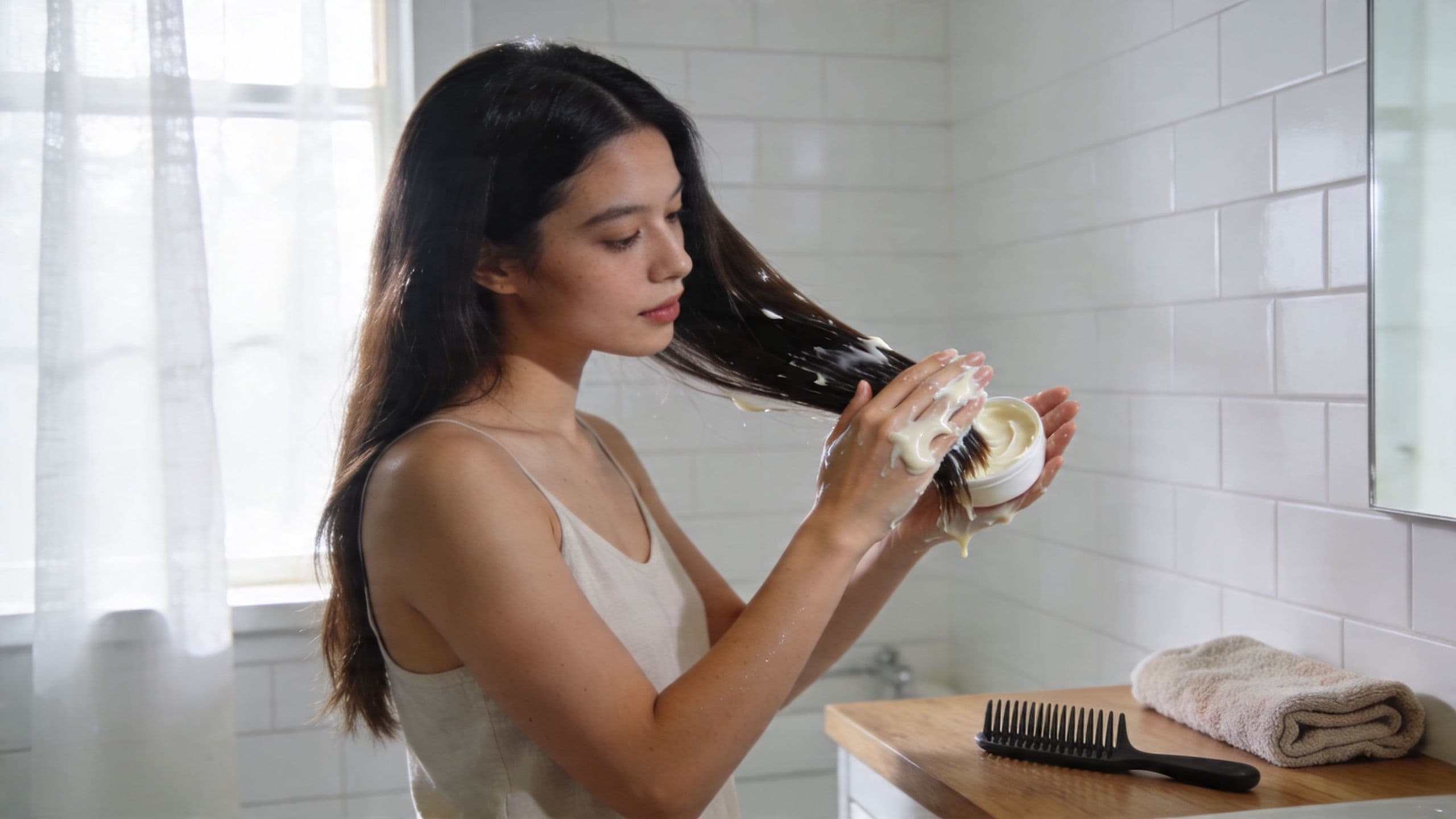
Haircare routines often begin with shampooing and conditioning, but tailoring your approach to specific concerns can elevate results. For example, those dealing with dryness can incorporate hydrating masks enriched with ingredients like shea butter or argan oil once or twice a week. Conversely, individuals with oily scalps might benefit from clarifying shampoos that reduce buildup without stripping natural oils.
Addressing concerns such as frizz, split ends, or scalp sensitivity also requires nuanced care. Lightweight leave-in conditioners or serums containing silicone derivatives can smooth frizz-prone strands, while avoiding heavy oils that may cause buildup. For sensitive scalps, fragrance-free, sulfate-free cleansers soothe irritation, maintaining balance without harsh chemicals.
Integrating Scalp Care into Self-Care Rituals
Scalp health is foundational to vibrant hair but is often overlooked in everyday self-care. Regular scalp massages not only promote relaxation but can stimulate circulation, aiding natural hair growth cycles. Incorporating gentle exfoliation with specialized scalp scrubs once a week removes dead skin and product residue, preventing clogged follicles.
Using tonics or serums formulated with ingredients like tea tree oil or niacinamide addresses common issues such as dandruff or scalp redness. These treatments can be seamlessly added before styling or nighttime routines, reinforcing scalp wellness without adding complexity.
Heat Styling: Balancing Creativity with Protection
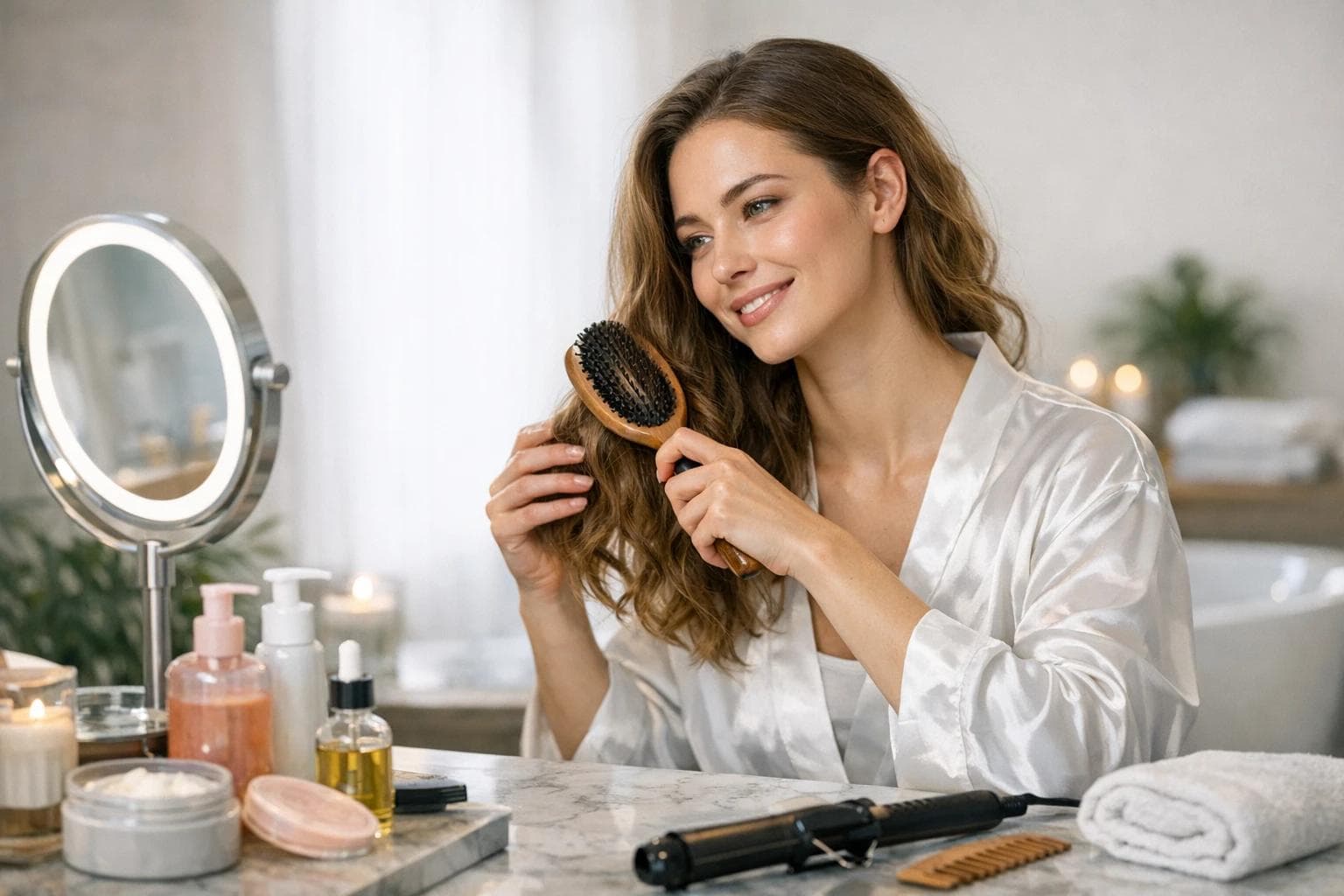
Heat styling tools remain staples for achieving polished looks, but their potential damage necessitates thoughtful use. Key use cases include pre-styling heat protectants that form a barrier against thermal stress. Formulas containing silicones or polymers create this shield without weighing hair down.
Choosing appropriate temperature settings, typically below 350°F (177°C), and limiting frequency helps minimize long-term damage. For example, using a flat iron once or twice a week combined with deep conditioning treatments preserves hair integrity while supporting styling versatility.
Daily Maintenance: Simplifying Haircare for Modern Lifestyles
Not every routine demands multiple products or extended time. For busy lifestyles, focusing on multitasking products such as leave-in conditioners with UV protection saves effort and safeguards hair against environmental aggressors.
Dry shampoo is another popular use case, extending the lifespan between washes by absorbing excess oil and refreshing texture. However, careful application to avoid buildup is important, ensuring scalp health remains uncompromised.
Nighttime haircare practices can also reinforce maintenance. Wrapping hair in a silk or satin scarf or using a corresponding pillowcase reduces friction-induced breakage, supporting overall hair strength and smoothness.
Ingredient Awareness and Routine Adaptation
Understanding ingredient roles enhances personalization. For instance, humectants like glycerin draw moisture to strands—valuable in dry climates but potentially causing frizz in high humidity. Oils and butters provide occlusion, sealing moisture but possibly weighing down fine hair.
Routine adaptation according to hair type, seasonal changes, and lifestyle events maximizes effectiveness. For example, shifting to richer hydration in winter or increased cleansing frequency after workouts exemplifies responsive, rather than rote, haircare.
---
Practical haircare use cases center on informed customization rather than a one-size-fits-all approach. Prioritizing scalp health, protecting hair during styling, and simplifying daily maintenance foster sustainable habits that nourish both hair and overall wellness. By embracing ingredient literacy and routine flexibility, everyday users can confidently navigate haircare choices as an integral aspect of their beauty and self-care regimen.
Safety & Scope
This article is for general informational purposes and does not replace professional advice for complex repairs or installations.
Frequently Asked Questions
+What should readers understand first about beauty & self-care haircare use cases?
The key starting point is recognizing that haircare should be tailored to individual hair types, concerns, and lifestyle factors. Understanding your hair’s unique needs allows you to select appropriate products and routines that promote healthy, manageable hair without unnecessary complexity.
+What are the most useful examples or use cases for beauty & self-care haircare use cases?
Some useful use cases include: addressing dryness with weekly hydrating masks, scalp care through regular massages and exfoliation, protecting hair from heat styling with thermal protectants and temperature control, simplifying daily routines using multitasking products, and adapting care seasonally or in response to activity levels.
+What mistakes should I avoid with beauty & self-care haircare use cases?
Common mistakes include over-washing (which can strip natural oils), neglecting scalp health, excessive heat styling without protection, applying products unsuited for your hair type (leading to buildup or weighing down hair), and ignoring environmental factors that impact hair condition.