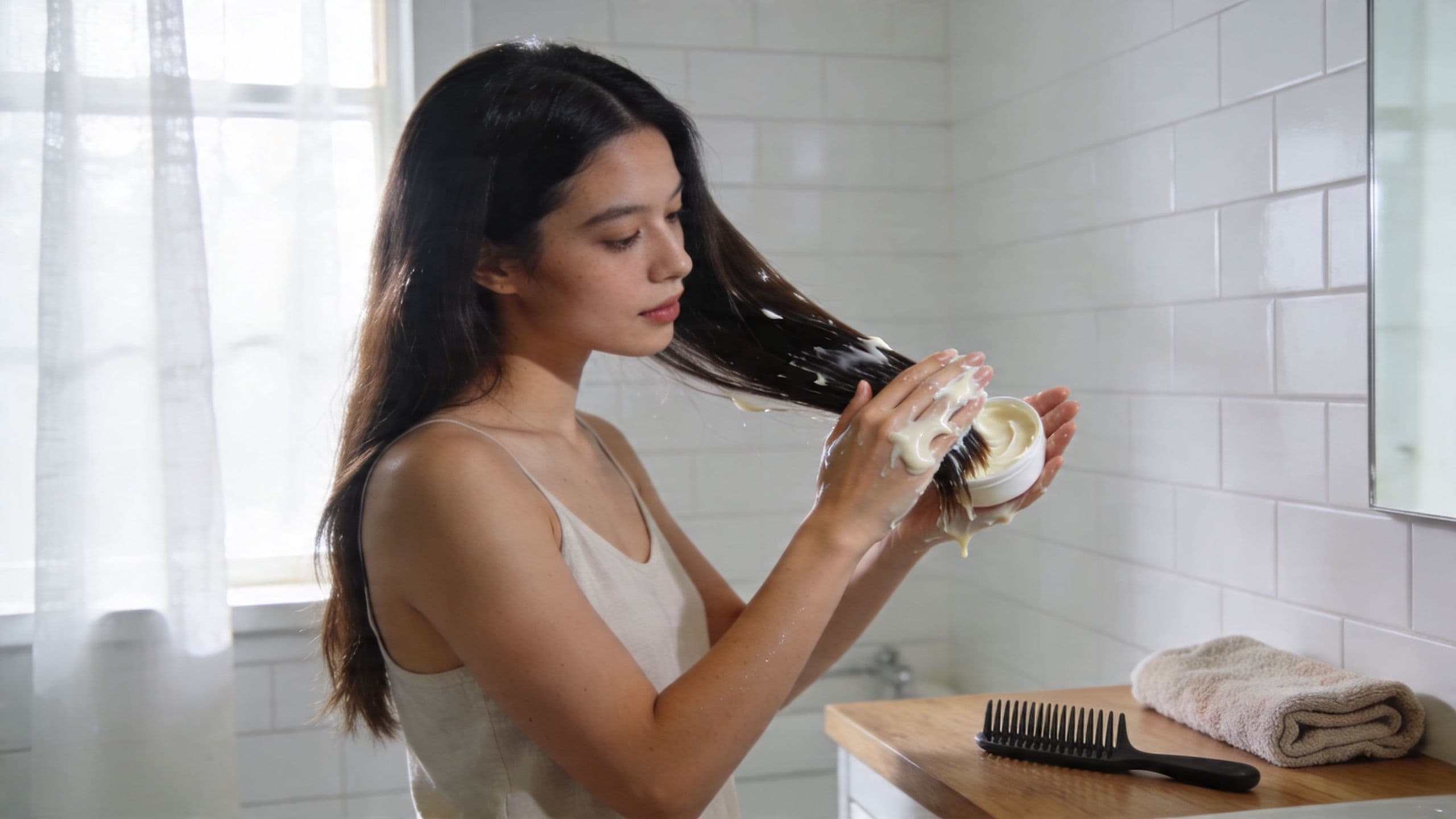
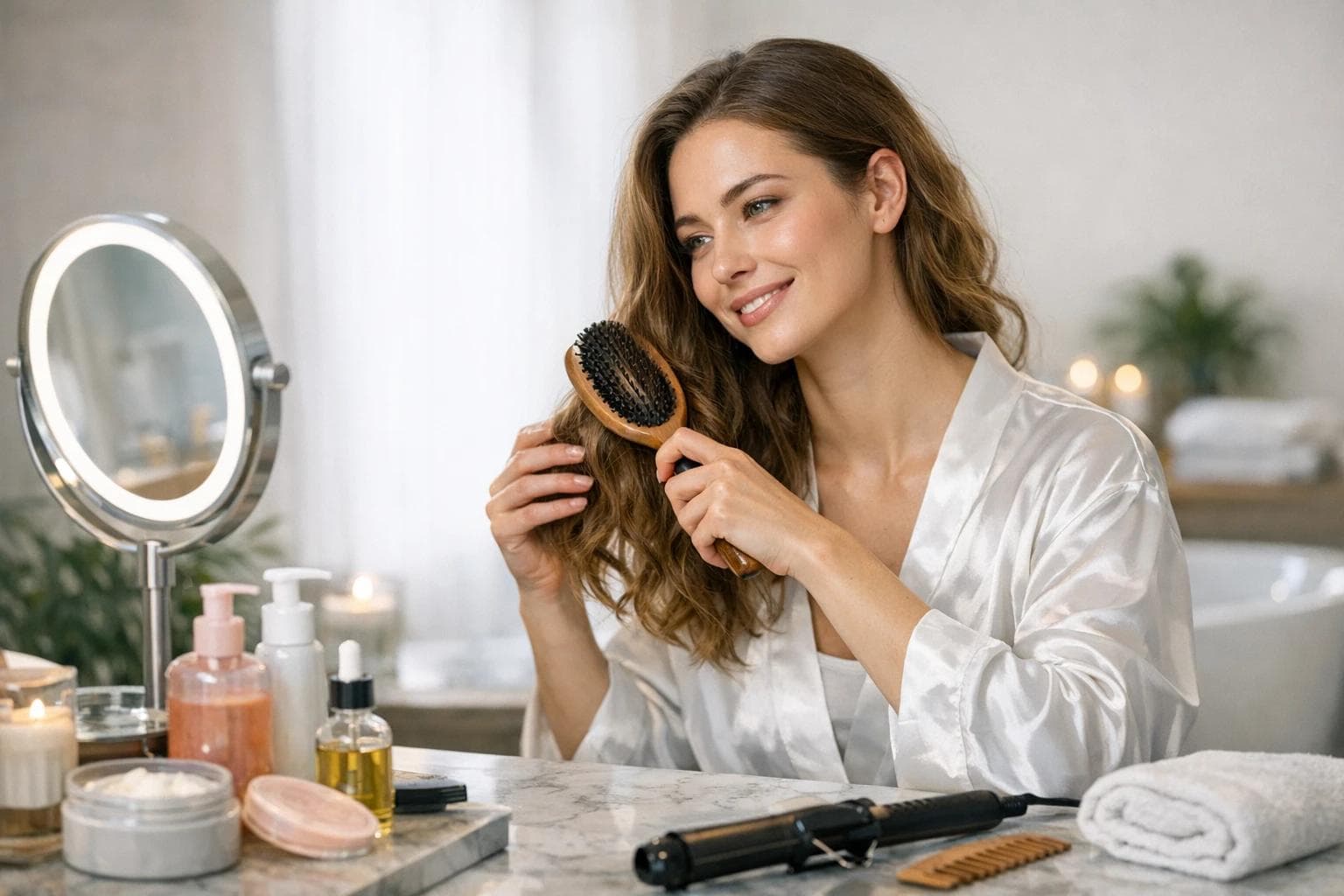
Haircare Trends Tailored to Your Unique Beauty Goals
Explore modern haircare trends designed to support different personal goals—from boosting volume and enhancing shine to promoting scalp health and embracing natural texture. Discover practical, ingredient-aware tips to navigate today’s beauty landscape with confidence and care.
Maya covers beauty & self-care with an emphasis on practical analysis, products, and real-world impact.
Personalized Haircare for Targeted Benefits
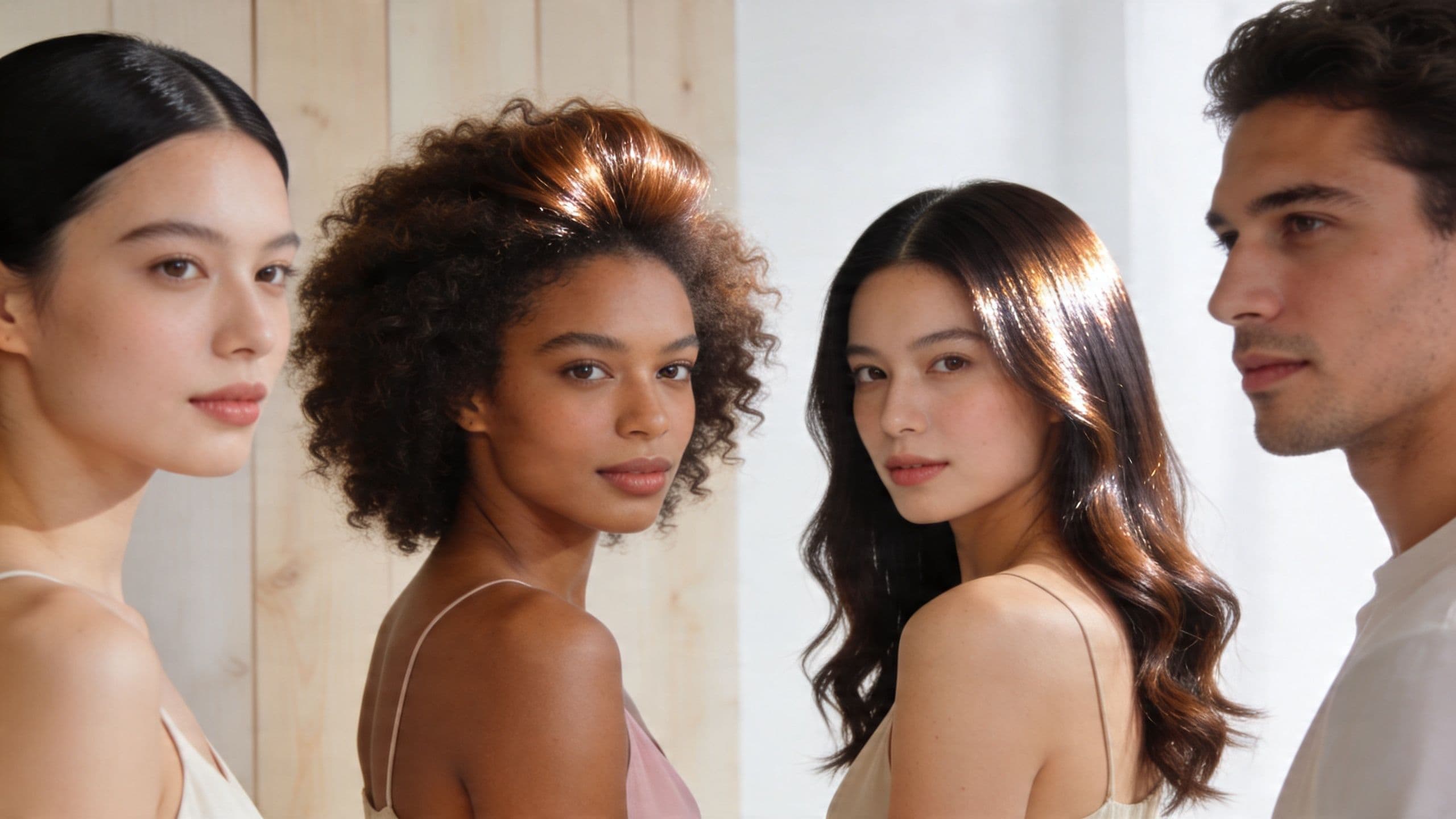
The beauty & self-care landscape has evolved beyond one-size-fits-all routines. Today’s haircare trends are increasingly goal-oriented, recognizing that hair needs differ vastly depending on the desired outcome. From adding volume to maintaining scalp wellness, or from defining curls to extending color vibrancy, there’s a tailored approach for every hair goal.
Rather than pushing gimmicky products, contemporary trends emphasize understanding your hair’s characteristics and adopting habits and formulations that amplify your individual beauty aspirations.
Enhancing Volume and Thickness Without Overload
Fine or thinning hair frequently prompts a search for products that bring fullness without weighing strands down. Current trends advocate lightweight, protein-infused formulations that temporarily plump the hair shaft. Ingredients like hydrolyzed wheat protein and rice protein, common in modern volumizing sprays and mousses, help fortify and lift hair fibers.
Another rising technique is incorporating scalp exercises or gentle massage to stimulate circulation and support natural hair strength over time. Minimalism in styling—favoring air drying and avoiding heavy oils or silicones that can dull volume—is also widely recommended.
Embracing Natural Texture and Validation of Curl Diversity
The movement to celebrate natural hair texture has reshaped haircare norms, especially regarding curls, waves, and coils. Popular trends emphasize the “curl-friendly” approach: sulfate-free cleansers, moisturizing conditioners rich in shea butter or glycerin, and styling products that enhance definition without crunch.
Co-washing (using conditioner instead of shampoo) and the use of leave-in creams or light gels are prevalent to maintain moisture balance and resilience. This shift also democratizes curls by promoting self-acceptance and reducing damage caused by excessive heat or chemical straightening.
Scalp Wellness as the Foundation of Hair Beauty
Healthy hair begins with a healthy scalp, a principle gaining traction in self-care circles. Exfoliating scalp treatments, balancing tonics, and pre-shampoo rituals involving oils like tea tree or peppermint are popular for maintaining a clean, comfortable scalp environment.
Trends advocate reducing overwashing habits, which can strip natural oils, while integrating gentle cleansing methods suited to one’s scalp type (oily, dry, or sensitive). This baseline care not only promotes hair strength but can improve the longevity of color-treated or chemically altered hair.
Color Care with Sustainability and Longevity
Protecting hair color against fading is a consistent priority, with trends leaning toward multi-functional products. UV filters incorporated into shampoos and conditioners help shield hair from environmental damage, while ingredient lists highlight antioxidants such as vitamin E.
At the same time, the movement towards sustainable packaging and cruelty-free formulations influences shopper preferences, leading to a proliferation of eco-conscious brands that balance vibrant color protection with ethical concerns.
Integrating Haircare into Holistic Self-Care Rituals
Modern haircare trends increasingly intersect with overall wellness routines. Incorporating mindfulness, stress management, and nutrition into beauty regimens acknowledges that lifestyle factors profoundly impact hair health.
For instance, ritualistic scalp massages paired with essential oils offer relaxation benefits alongside hair stimulation. Nutritional supplements supporting keratin production or general vitality are often paired with topical care in holistic approaches.
Practical Next Steps for Readers
Understanding your hair’s unique narrative and aligning products and habits with your personal goals is paramount. Start by assessing your hair type, scalp condition, and lifestyle factors. Experiment with lightweight volumizers or enriching curl creams as fits your needs, and integrate scalp care rituals gradually.
Explore clean, multifunctional products that align with your values and beauty targets. Importantly, be patient—true hair transformation is a journey supported by consistent, goal-aligned care rather than overnight fixes.
Maintaining awareness of evolving trends will allow you to adapt routines while safeguarding hair’s health and appearance for years to come.
Safety & Scope
This article is for general informational purposes and does not replace professional advice for complex repairs or installations.
Frequently Asked Questions
+What should readers understand first about beauty & self-care haircare trends for different goals?
Haircare trends today prioritize personalization, emphasizing routines and products that align specifically with individual hair types and desired outcomes rather than generic solutions. Understanding your unique hair needs and incorporating goal-focused care is essential to effective results.
+What are the most useful examples or use cases for beauty & self-care haircare trends for different goals?
Examples include using protein-infused lightweight products to enhance volume for fine hair, adopting sulfate-free and moisturizing routines to embrace natural curls, prioritizing gentle scalp care for scalp health, and selecting UV-protective, antioxidant-rich formulations for color preservation.
+What mistakes should I avoid with beauty & self-care haircare trends for different goals?
Avoid applying heavy, generic products that do not suit your hair type or goal, overwashing your scalp which can cause dryness, neglecting scalp health, and expecting instant results. Skipping patch testing new products or chasing every new trend without consistency can also hinder progress.