Mastering Haircare for Consistent Results: Practical Tips for Everyday Beauty
Achieving consistent haircare results requires more than just picking the right products. Learn practical, product-agnostic strategies to create a dependable haircare routine that supports healthy, beautiful hair every day.
Maya covers beauty & self-care with an emphasis on practical analysis, products, and real-world impact.
Understanding Hair Health Before Building Your Routine
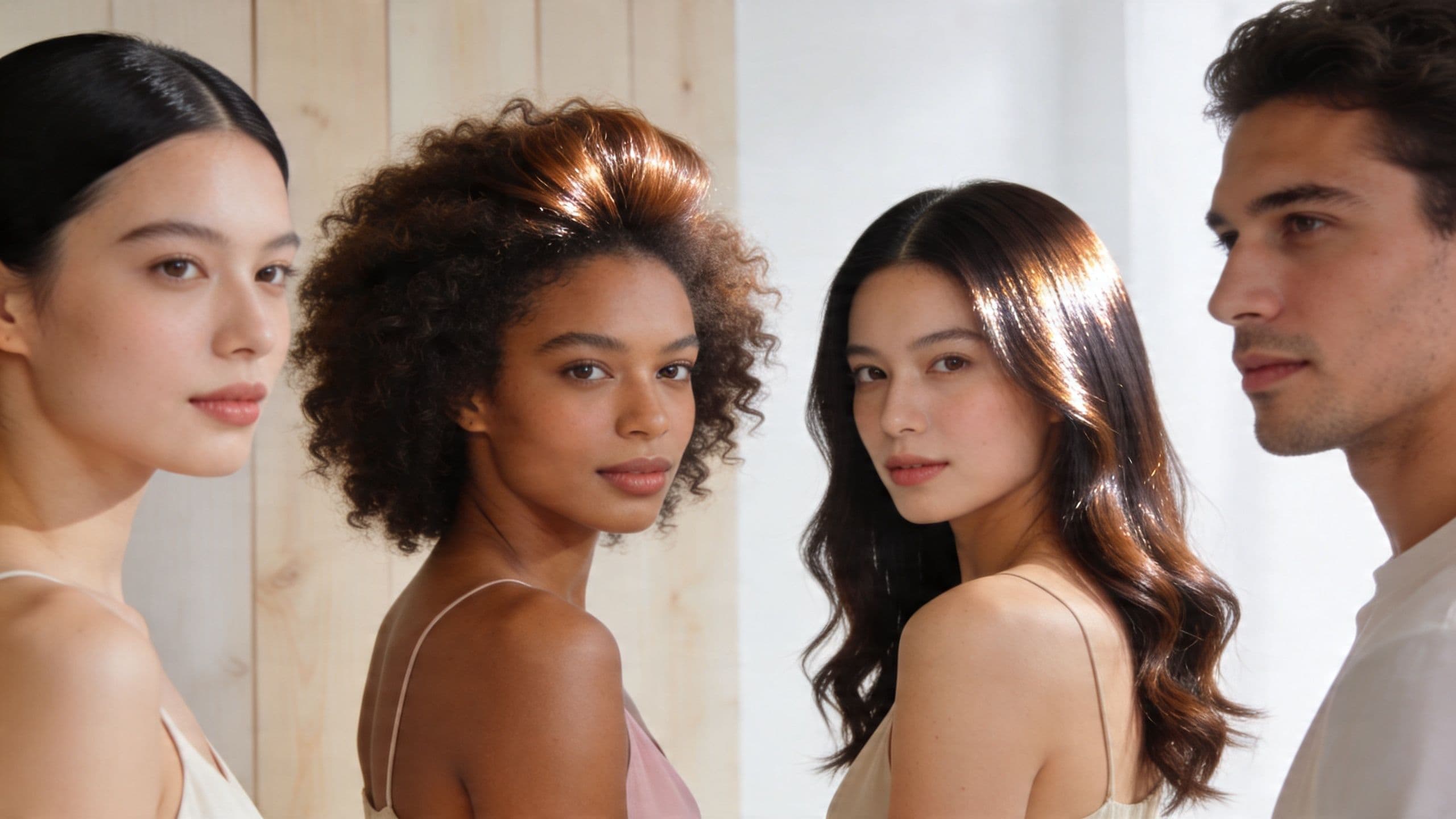
To achieve consistent haircare results, it all begins with a clear understanding of your hair type and its unique needs. Hair variations—ranging from straight and fine to curly and coarse—respond differently to cleansing, moisturizing, and styling. Identifying your hair’s texture and porosity can help you tailor your routine effectively, setting realistic expectations for what products and practices will work best in the long term.
For example, high-porosity hair tends to absorb moisture quickly but also loses it rapidly, requiring more frequent hydration and protection. Low-porosity hair, conversely, might need lightweight formulations and occasional deep conditioning to avoid product buildup. This foundational knowledge is essential to avoid trial-and-error frustration and helps maintain consistent hair quality.
Building a Balanced Haircare Framework: Cleansing, Conditioning, and Protection
Consistency stems from simplicity and balance. Developing a basic haircare framework focused on three pillars—cleansing, conditioning, and protection—creates a dependable routine without overcomplication.
Cleansing: Regularly washing your hair to remove dirt, oil, and product residue sustains scalp health. The ideal frequency depends on lifestyle and hair type; oily scalps may require more frequent washing, while dry or curly hair benefits from less frequent shampooing to preserve natural oils. Using sulfate-free shampoos can minimize dryness and irritation.
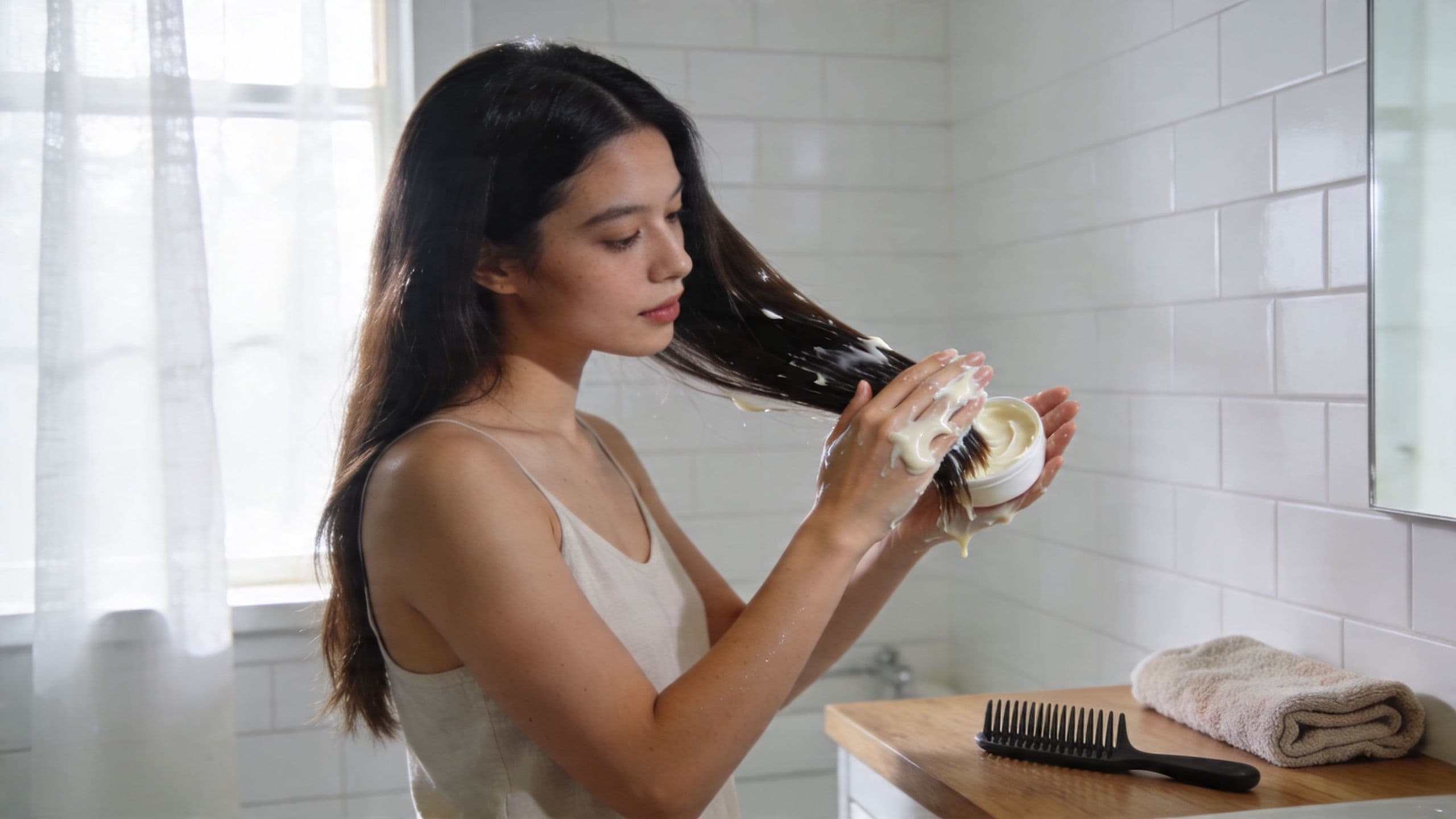
Conditioning: Hydrating your hair after cleansing replenishes moisture, strengthens strands, and improves manageability. Choose conditioners suited to your hair’s needs—lightweight and volumizing for fine hair; rich and nourishing for dry or damaged hair.
Protection: UV exposure, heat styling, and environmental pollutants can degrade hair quality over time. Applying heat protectants before styling and occasional deep-conditioning treatments helps maintain hair integrity and appearance consistently.
Adhering to these pillars regularly helps mitigate common hair issues such as dryness, frizz, or limpness.
Ingredient Awareness: Choosing Wisely Without Overload
Understanding ingredient roles promotes intelligent product choices and long-term success. While this article avoids prescribing specific products, awareness of common ingredient categories can empower readers:
Humectants (e.g., glycerin, hyaluronic acid): Attract moisture to hair and scalp.
Oils and Butters (e.g., argan oil, shea butter): Provide nourishment and protect hair cuticles.
Proteins (e.g., keratin, silk protein): Repair and strengthen damaged hair structures.
Silicones (e.g., dimethicone): Smooth hair surface and add shine but may require clarifying shampoos if overused.
Balancing ingredient benefits without layering excessive or conflicting products supports consistency. For instance, overloading with protein can lead to stiffness, while too much moisture may cause limpness. Experimenting slowly and paying attention to hair response over weeks is key.
Habitual Grooming Practices That Support Consistency
Successful haircare routines extend beyond products to daily habits:
Regular Trims: Prevent split ends and maintain hair shape.
Scalp Massage: Encourages circulation, which can improve scalp health and relax tension.
Avoid Over-Styling: Limiting heat tools and tight hairstyles reduces damage.
Consistent Sleep Habits: Sleeping on satin or silk pillowcases decreases friction and breakage.
Implementing these daily habits alongside a core haircare routine ensures a cohesive approach. Consistency in rituals cultivates a sustainable path to hair improvement.
Practical Examples: Tailoring Routines to Lifestyle Scenarios
Consider a busy professional with straight, fine hair prone to oiliness. Their routine might include sulfate-free shampoo every other day, lightweight conditioner focused on volume, and weekly clarifying treatment to avoid buildup.
In contrast, someone with curly, medium-porosity hair living in a dry climate might favor co-washing (using conditioner in lieu of shampoo) twice weekly, richer moisturizing conditioners, leave-in creams with humectants, and protective styling to reduce exposure to harsh elements.
By aligning routines with hair characteristics and lifestyle realities, users experience steadier results and less guesswork.
Conclusion: The Path to Consistency Lies in Understanding and Routine
Consistent haircare results don't depend on chasing trends or specific products but establishing thoughtful, repeatable routines aligned with your hair's needs and lifestyle. Start by understanding your hair type and preferences, focus on balanced cleansing, conditioning, and protection, stay ingredient-aware without overcomplicating, and embed supportive grooming habits. Refining and adapting these steps over time will build a foundation for reliable and satisfying haircare outcomes. As beauty and self-care continue evolving, maintaining this focused approach ensures your hair remains a true reflection of your overall wellness and style.
Safety & Scope
This article is for general informational purposes and does not replace professional advice for complex repairs or installations.
Frequently Asked Questions
+What should readers understand first about beauty & self-care haircare for consistent results?
Readers should first understand their hair type, texture, and porosity since these factors influence how hair responds to products and routines. This knowledge forms the basis for building a consistent haircare regimen tailored to individual needs.
+What are the most useful examples or use cases for beauty & self-care haircare for consistent results?
Tailoring routines to lifestyle and hair characteristics is crucial. For example, an oily scalp benefits from regular sulfate-free shampooing, while curly hair in dry climates may thrive with co-washing and deep conditioning. Practical examples help align routines with individual circumstances for steady results.
+What mistakes should I avoid with beauty & self-care haircare for consistent results?
Avoid layering too many products with conflicting ingredients, over-washing or under-washing your hair, and relying heavily on heat styling without protection. Also, neglecting regular trims and scalp care can undermine consistent hair health and appearance.