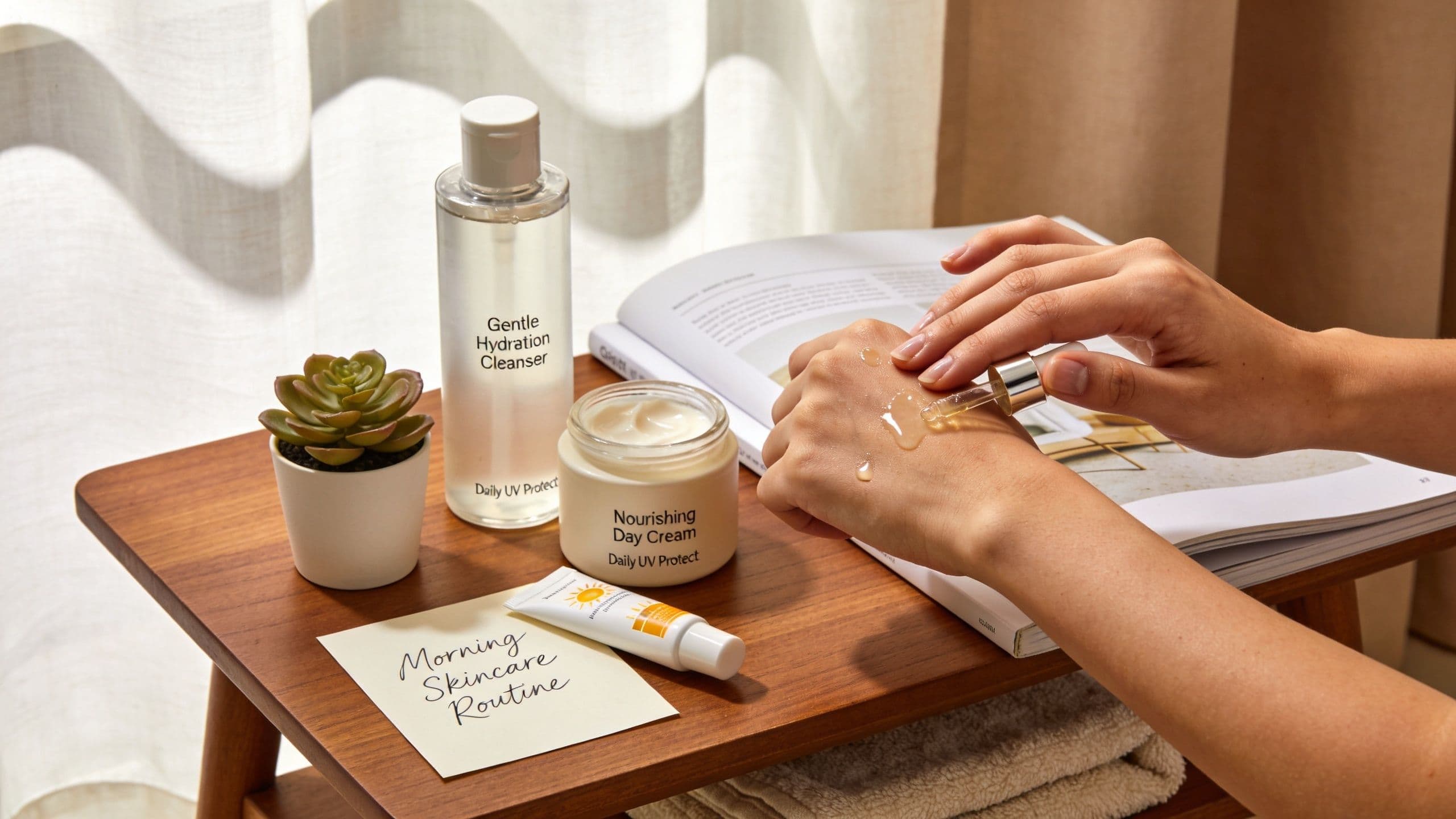
Mastering Seasonal Beauty and Skincare: Tailoring Your Routine Year-Round
Optimizing your beauty and skincare routine according to the seasons enhances skin health and radiance. Learn practical, ingredient-focused strategies to adapt your self-care rituals through winter dryness, summer humidity, and everything between.
Jordan specializes in turning complex beauty & self-care topics into clear, useful explainers for everyday readers.
The Essence of Seasonal Skincare: Why Adjusting Your Routine Matters
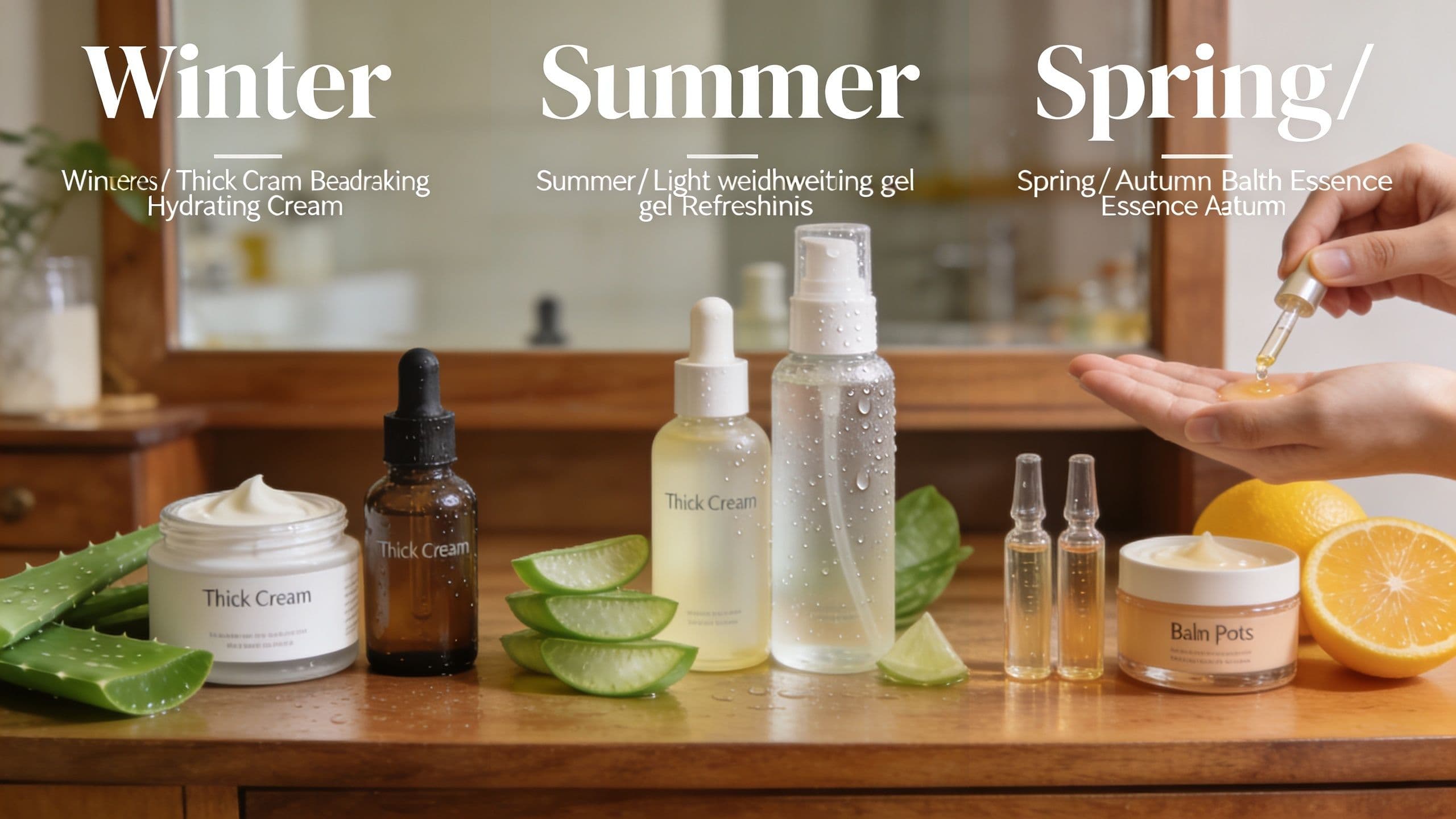
Beauty and skincare demand responsiveness to changing environments. Skin’s needs fluctuate alongside the seasons due to shifts in temperature, humidity, and sun exposure. For the everyday user committed to a balanced, sustainable self-care routine, recognizing these changes is key. Skipping seasonal adjustments can lead to dryness, irritation, breakouts, or dullness — outcomes avoidable with mindful product choices, layering, and habits.
Winter: Combatting Cold Air and Indoor Heating
The cold months typically bring low humidity and harsh winds that strip moisture from your skin. Indoor heating compounds this effect, causing tightness, flaking, and sensitivity.
Hydrating cleansers: Use gentle, cream-based cleansers instead of foaming ones that can over-cleanse and disrupt the skin barrier.
Rich moisturizers: Swap out lighter lotions for thicker creams or balms enriched with emollients like shea butter or ceramides.
Oil layering: Facial oils containing antioxidants or fatty acids (like rosehip or argan oil) provide an extra moisture barrier.
Humidifiers: Adding moisture to indoor air supports skin hydration.
Sun protection: Winter UV rays still penetrate; daily broad-spectrum SPF remains essential.
Spring: Transitioning and Rebalancing
As temperatures rise and humidity begins to climb, skin oil production can increase, sometimes causing mild breakouts. Allergens and pollen can exacerbate sensitivity.
Exfoliation: Gradual reintroduction of gentle exfoliants helps remove winter buildup, promoting renewal and brightness.
Lightweight serums: Introduce hydrating but non-greasy formulations containing ingredients like hyaluronic acid.
Antioxidants: Vitamins C and E protect against environmental aggressors and stimulate brightness.
Fragrance awareness: Consider simpler formulations as fragrance sensitivity may increase with allergies.
Summer: Managing Heat, Sweat, and Sun Exposure
Heat and humidity can challenge pore-clogging and sun damage. Balancing hydration without heaviness is critical.
Oil-free moisturizers: Gel-based or water-based formulas hydrate without weighing skin down.
SUN SAFETY: Daily application of broad-spectrum sunscreen with at least SPF 30 is non-negotiable. Look for formulations that match your activity level — sweat-resistant for workouts or light for everyday wear.
Minimalist layering: Reduce heavy makeup or skip unnecessary products that might trap sweat or increase irritation.
Post-sun care: Soothing ingredients like aloe vera or chamomile calm irritated skin.
Autumn: Renewal and Preparation
This transitional season is ideal for replenishing skin barrier health before winter’s challenges.
Restorative masks and treatments: Hydrating masks or overnight treatments encourage replenishment.
Retinoids and AHAs: Starting gentle use each autumn can support collagen and cell turnover ahead of frosty conditions, but monitor sensitivity.
Moisturizer upgrades: Begin incorporating richer creams as temperatures dip.
Intelligent Ingredient Choices Across Seasons
Adapt your product ingredients thoughtfully to match seasonal demands:
Hyaluronic acid: Universally hydrating, it helps retain moisture in every season.
Ceramides: Strengthen the skin barrier throughout the year.
Niacinamide: Supports hydration and controls oil production; versatile for spring through summer.
Sunscreens: Choose broad-spectrum regardless of the season, with consideration for texture and application frequency.
Common Seasonal Skincare Mistakes and How to Avoid Them
Over-cleansing or under-cleansing: Both extremes disrupt the moisture barrier. Adjust based on season and activity.
Ignoring sunscreen in cold months: UV damage is year-round.
Using overly heavy products in heat: Leads to clogged pores and discomfort.
Neglecting hydration in humid seasons: Hydration needs don’t vanish with oilier skin.
Switching products abruptly: Gradual transitions help monitor skin reactions.
Practical Next Steps: Building Your Seasonal Beauty Routine
Start by assessing your current routine and noting signs your skin changes with weather. Introduce one product swap per season—perhaps a richer moisturizer in winter or a gel-based sunscreen in summer—to ease the transition. Focus on layering hydration, gentle cleansing, and sun protection consistently.
Understanding and respecting seasonal influences empower you to nurture your skin year-round with minimal fuss and maximum impact. By aligning your routine to nature’s rhythm, your skin can thrive in every environmental context, reflecting health and vitality with each season’s unique conditions.
Safety & Scope
This article is for general informational purposes and does not replace professional advice for complex repairs or installations.
Frequently Asked Questions
+What should readers understand first about seasonal beauty and skincare?
The fundamental concept to grasp is that skin's needs evolve with environmental changes such as temperature, humidity, and sun exposure. Adjusting your skincare routine accordingly helps maintain skin balance, hydration, and protection throughout the year.
+What are the most useful examples or use cases for seasonal beauty and skincare?
Key examples include using richer moisturizers and hydrating oils in winter to combat dryness, switching to lighter, oil-free products in summer to manage sweat and oiliness, and gradually reintroducing exfoliants and retinoids in spring and autumn to support skin renewal.
+What mistakes should I avoid with seasonal beauty and skincare?
Avoid skipping sunscreen during colder months, over-cleansing or under-cleansing regardless of season, using heavy products during hot weather, neglecting hydration in humid seasons, and making abrupt product changes without monitoring your skin's reaction.