Myths and Facts About Common Beauty Mistakes to Avoid
Unraveling common misconceptions in beauty routines can transform how you care for your skin and enhance your self-care practices. Understanding the facts behind these beauty myths helps you avoid mistakes that could compromise your skin's health and appearance.
Avery writes about trends, platforms, and strategic shifts in beauty & self-care, with attention to what matters in practice.
Debunking the Misconception of Over-Exfoliation
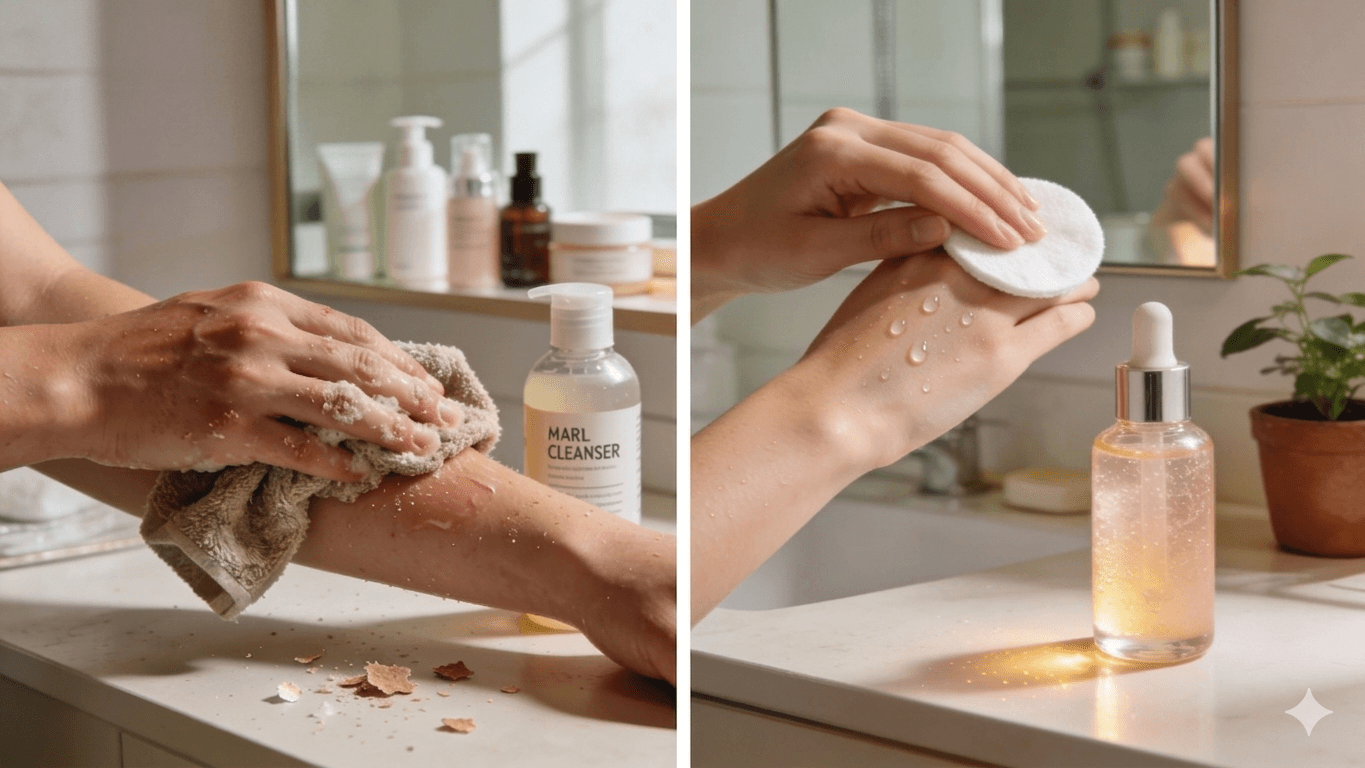
One of the most persistent myths in skincare is that exfoliating daily or multiple times a day will lead to clearer, glowing skin. The truth is that over-exfoliation can actually disrupt the skin’s natural barrier, causing irritation, sensitivity, and even breakouts. Experts recommend exfoliating no more than two to three times weekly, using gentle chemical exfoliants like AHAs (alpha hydroxy acids) or BHAs (beta hydroxy acids) rather than harsh physical scrubs that can cause micro-tears. Understanding this helps avoid the common mistake of thinking more exfoliation equals better results.
Sunscreen: Not Just for Sunny Days
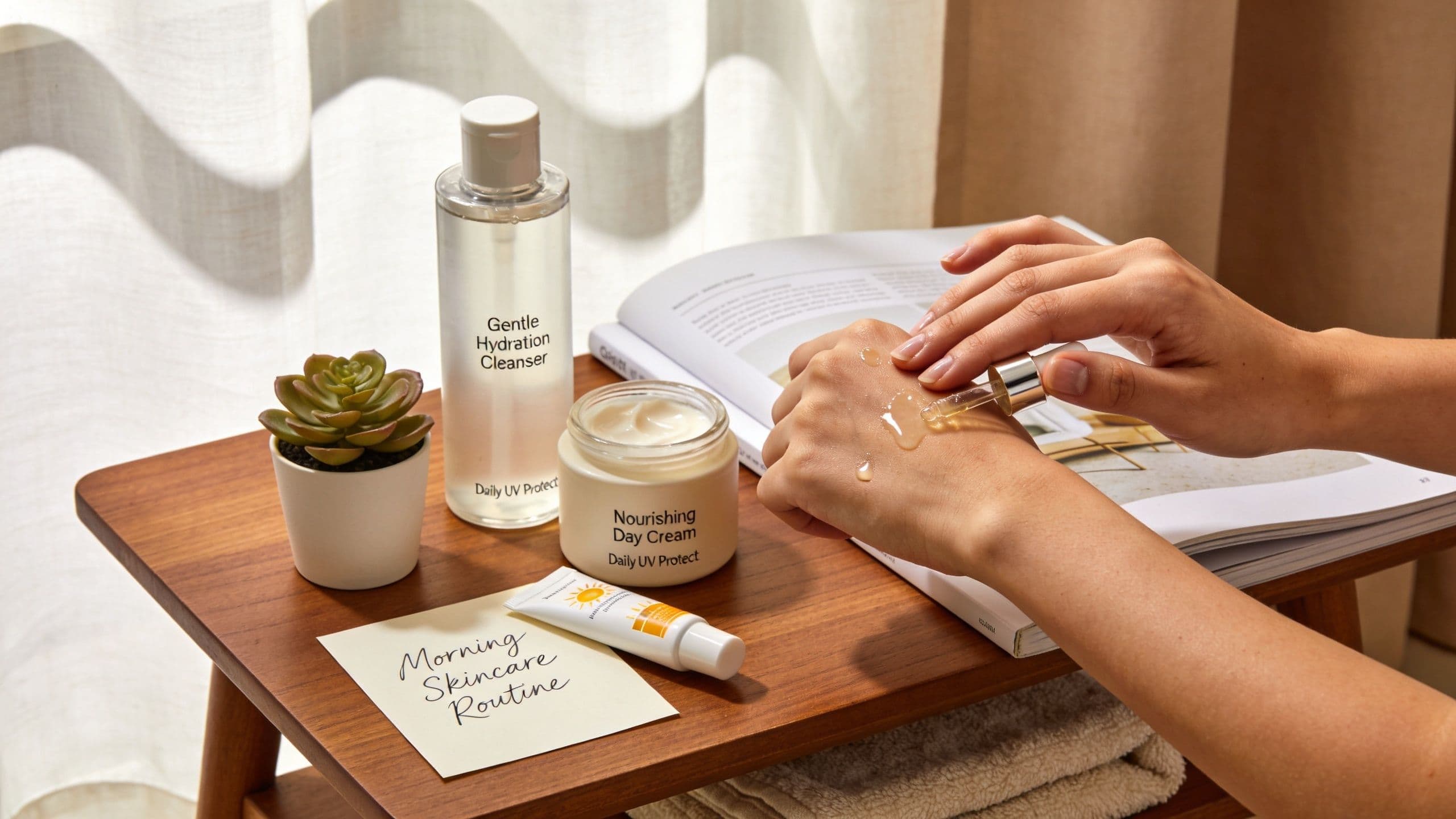
A common beauty mistake is underusing sunscreen or reserving it only for sunny summer days. The fact is UV rays penetrate clouds and windows year-round, and cumulative exposure contributes to premature aging and hyperpigmentation. Daily application of a broad-spectrum sunscreen with at least SPF 30 is a foundational step in modern skincare routines. This is a key fact many overlook, perpetuating the myth that sunscreen is 'optional' outside of obvious outdoor activities. Incorporating it consistently guards against long-term skin damage.
The Myth of Pore Size Permanence
Many people believe pore size is fixed and that certain products can permanently shrink pores. While genetics largely determine pore size, the reality is that pores can appear larger when clogged with oil and debris. Regular cleansing and exfoliation help maintain clearer pores, improving their appearance temporarily but not permanently altering their size. Avoiding harsh treatments marketed as 'pore shrinking' is wise, as these often irritate skin without delivering lasting benefits.
The Misunderstanding Around Moisturizing Oily Skin
A widespread myth is that oily skin does not need moisturizer, or that moisturizing will exacerbate oiliness. The truth is all skin types benefit from hydration, which helps maintain balance and can actually reduce excess oil production. Using a lightweight, non-comedogenic moisturizer tailored for oily skin helps maintain skin health without clogging pores. Skipping moisturizer out of fear can trigger the skin to compensate by producing more oil, worsening the problem.
Natural Ingredients Are Always Better: Fact or Fiction?
The allure of "all-natural" beauty products is strong, but natural ingredients are not inherently safer or more effective for everyone. Some natural extracts can cause allergic reactions or irritate sensitive skin. Conversely, many synthetic or lab-created ingredients are designed to be gentle and stable, enhancing efficacy. Choosing products should be based on your individual skin needs and ingredient tolerance rather than broad natural-versus-synthetic assumptions.
Practical Steps to Avoid These Mistakes
Limit exfoliation to 2-3 times per week, using gentle products.
Apply broad-spectrum sunscreen every morning, regardless of weather.
Maintain pore clarity through regular cleansing and exfoliation without expecting permanent size changes.
Use moisturizers appropriate for your skin type to support hydration balance.
Evaluate products based on tolerance and ingredient profiles rather than solely on natural claims.
Understanding these myths and facts helps you refine your beauty routine with confidence and clarity. In an era of overwhelming beauty advice, grounding your practices in reliable information protects your skin and enhances your overall self-care experience.
Safety & Scope
This article is for general informational purposes and does not replace professional advice for complex repairs or installations.
Frequently Asked Questions
+What should readers understand first about myths and facts about common beauty mistakes to avoid?
The key is recognizing that not all common beauty beliefs are based on science or skin health principles. Understanding which practices are genuinely beneficial versus those that are misleading helps prevent damage and frustration in your skincare routine.
+What are the most useful examples or use cases for myths and facts about common beauty mistakes to avoid?
Examples include knowing when and how often to exfoliate, realizing the importance of daily sunscreen use, understanding the temporary nature of pore appearance, and learning that all skin types require moisturizing, even oily skin. These clarify practical daily decisions.
+What mistakes should I avoid with myths and facts about common beauty mistakes to avoid?
Avoid over-exfoliating, sporadic sunscreen application, skipping moisturizer if you have oily skin, and choosing products based solely on the claim of being 'natural' without considering ingredient compatibility. These mistakes can undermine skin health and your beauty results.