Mastering Makeup Techniques for Consistent Results: Practical Tips for Everyday Beauty
Achieving a flawless makeup look daily requires mastering techniques that ensure consistency. This guide breaks down practical, product-agnostic strategies designed to help everyday users build reliable routines that enhance natural beauty with precision and ease.
Avery writes about trends, platforms, and strategic shifts in beauty & self-care, with attention to what matters in practice.
The Foundation of Consistency: Skin Preparation and Base Application
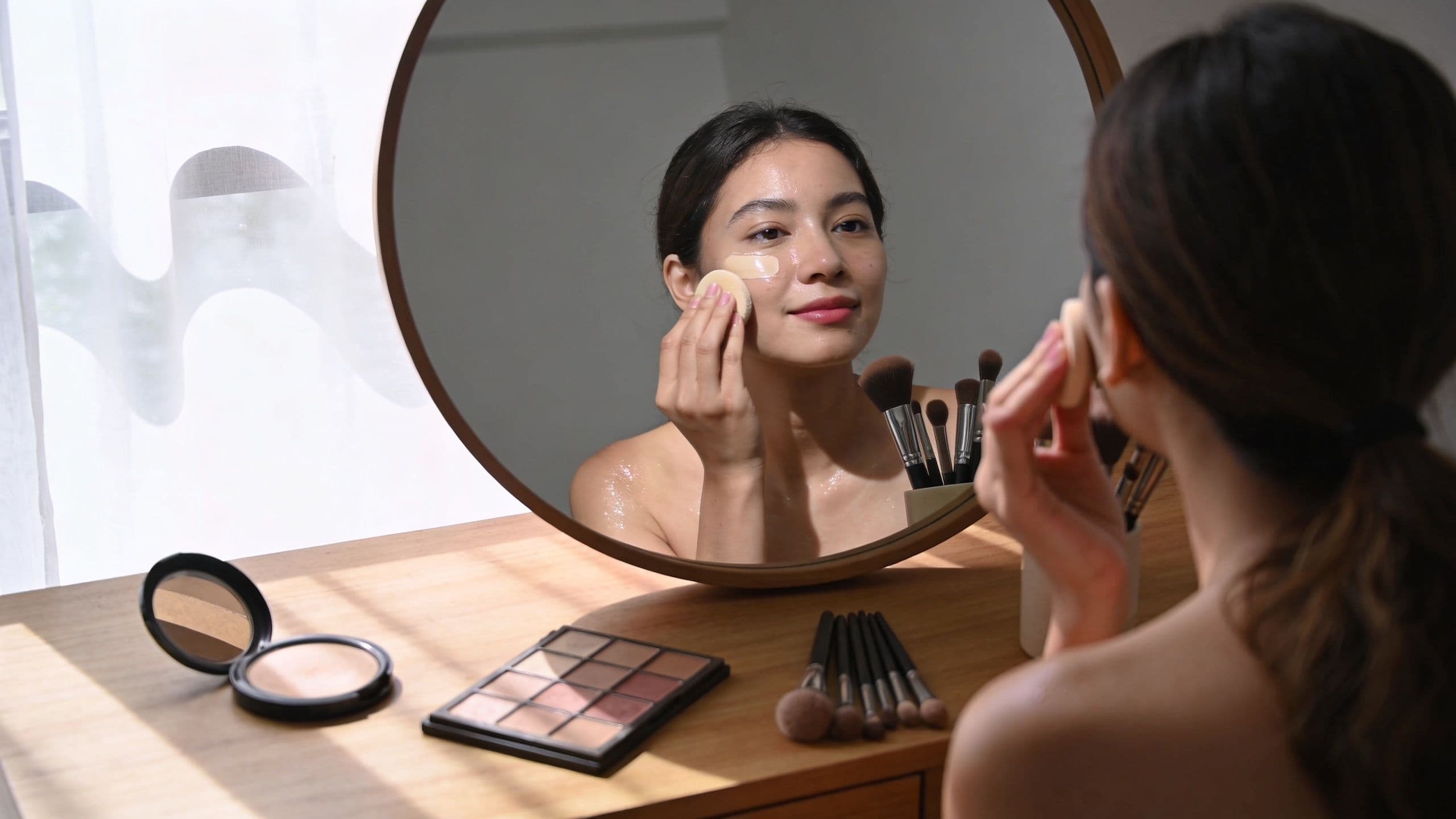
Successful makeup application begins long before brushes touch the skin. Proper skin preparation is key to ensuring the makeup sits well and wears evenly throughout the day. Cleanse and moisturize your face with products suited to your skin type; this establishes a smooth, hydrated canvas. Using a primer that complements your skin texture can help minimize pores and control oil, offering a consistent surface for makeup to adhere.
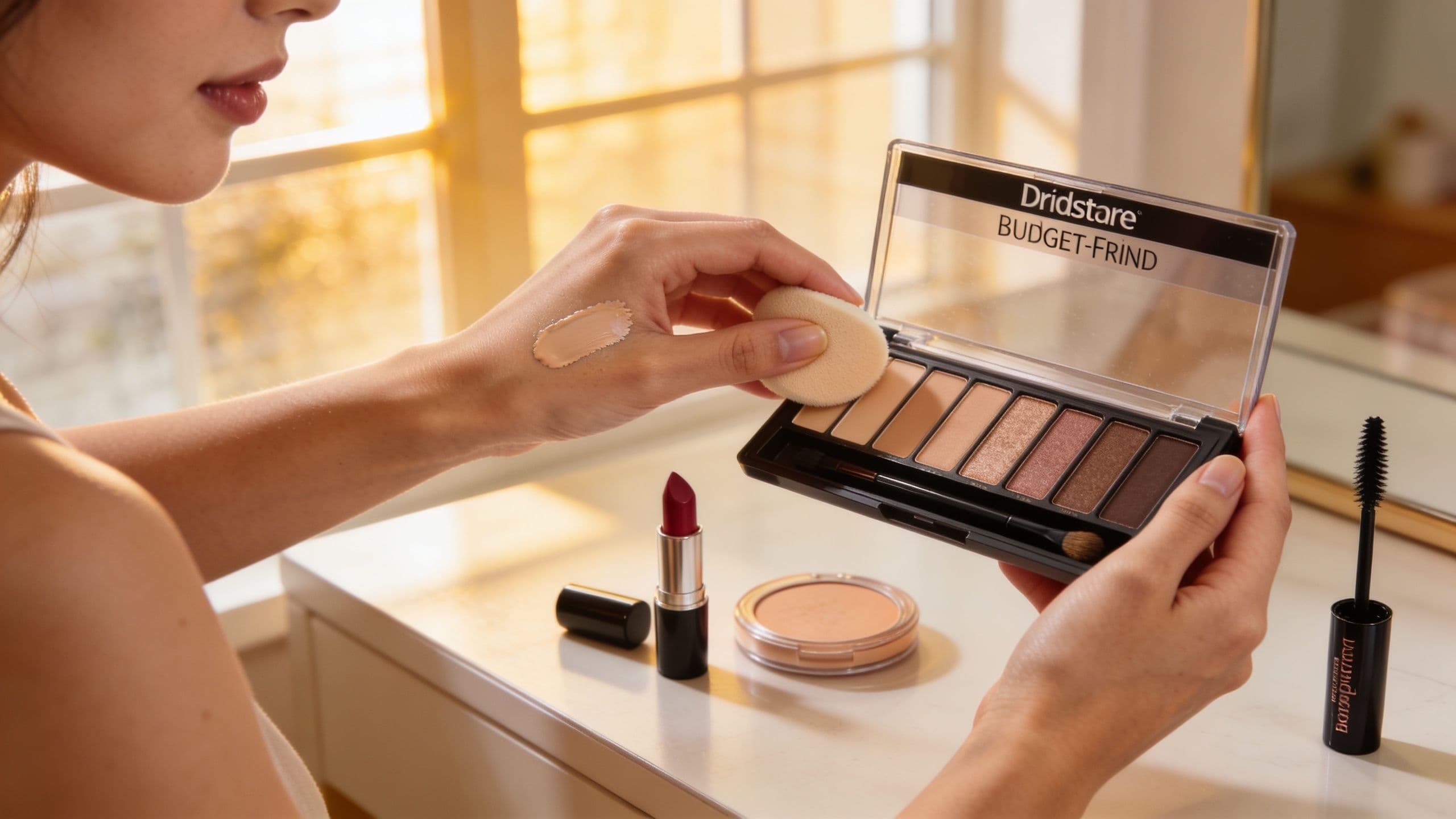
When applying foundation, opt for tools that ensure precision, such as a damp beauty sponge or a dense brush. These instruments offer better control over product placement and coverage than fingers, reducing streaks or patches. Focus on blending foundation from the center of the face outward for a natural finish. Avoid layering excessive amounts, which can disrupt consistency and lead to cakey results.
Mastering Color Application: Precision in Eyes and Lips
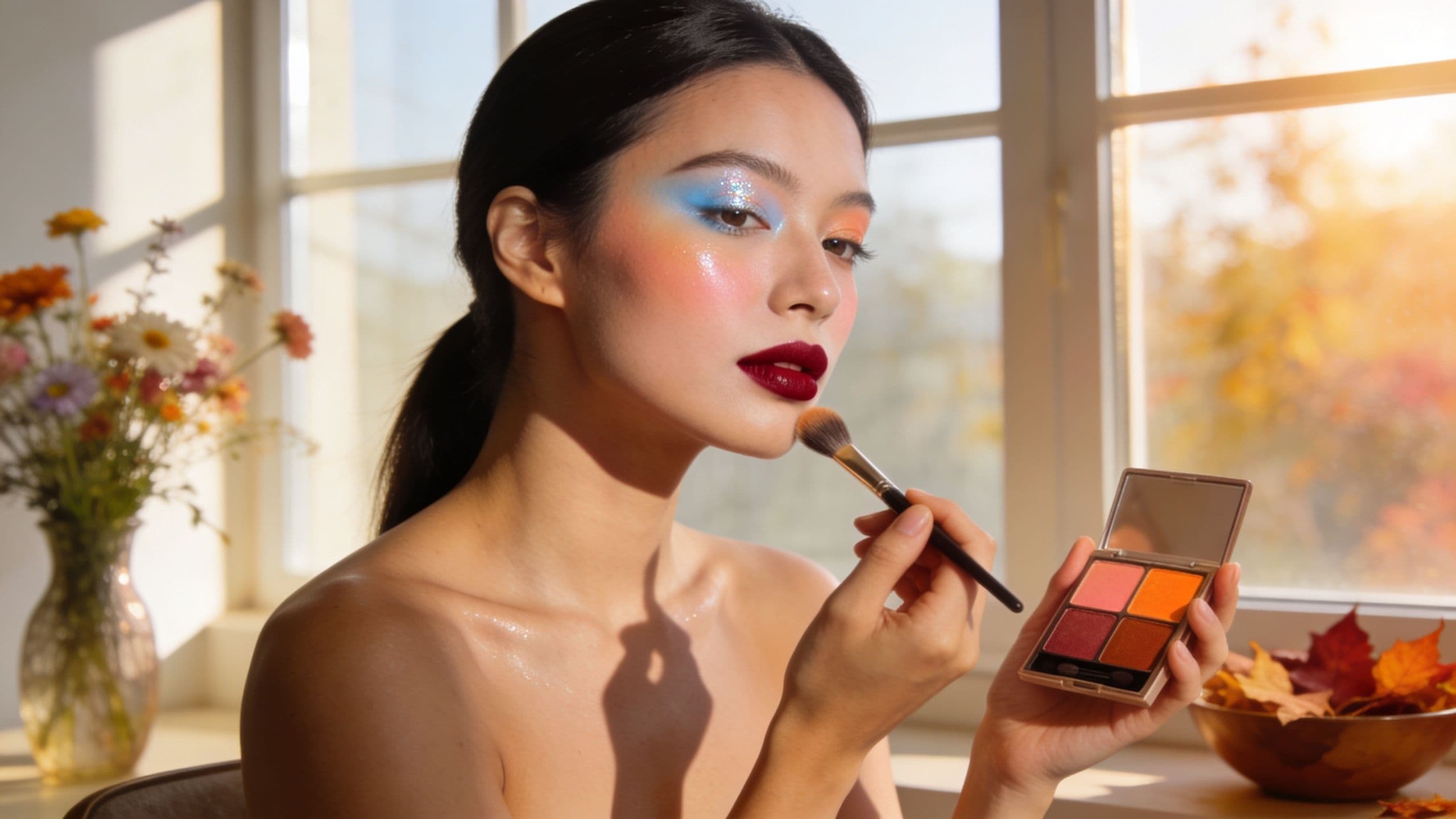
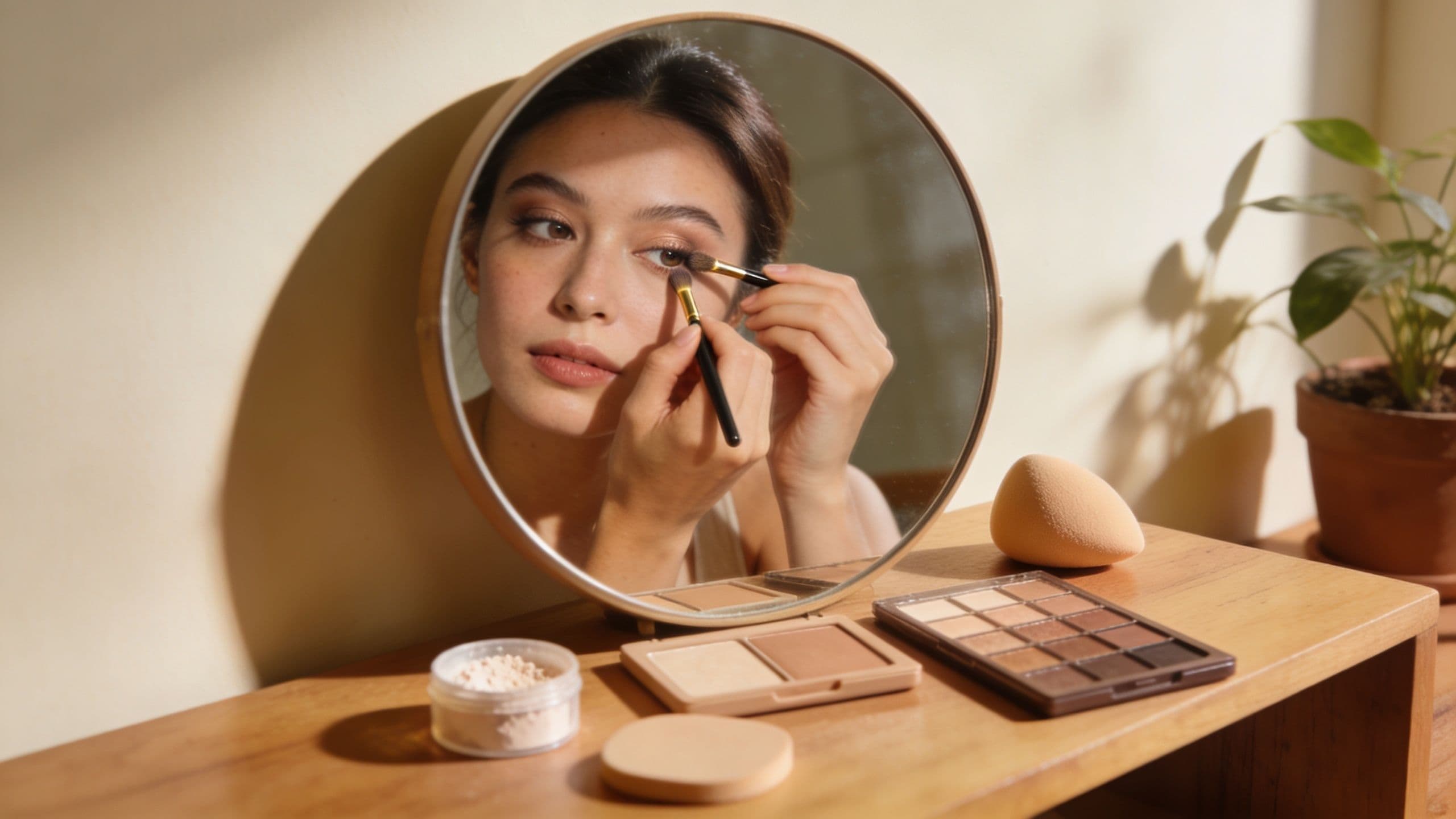
The eyes and lips are focal points where consistency can significantly elevate your makeup look. When working with eyeshadows, start with a clean, well-primed eyelid to prevent creasing. Use eyeshadow brushes designed for specific tasks—a flat brush for packing color and a fluffy brush for blending edges smoothly. Blending is crucial; harsh lines reduce polish and can feel uneven.
For eyeliner, choose the format that suits your comfort—gel, pencil, or liquid—and practice steady application close to the lash line to avoid gaps or smudges. Keeping a magnifying mirror on hand can help with precision, especially for intricate styles.
Lips demand the same approach to consistency. Begin with a moisturizing lip balm to smooth the surface. Use a lip liner to define your shape and prevent feathering. Applying lipstick or gloss with a lip brush allows for more accurate coverage and even layering.
Blush, Bronzer, and Highlight: Balancing Dimension with Restraint
Achieving a balanced complexion involves skillful placement of blush, bronzer, and highlighter. Overapplication can disrupt harmony and complicate touch-ups, while underapplication may appear flat and inconsistent. Use natural light when possible for the most accurate perception of color intensity.
Blush should complement your natural flush. Apply with a light hand, starting from the apples of the cheeks and blending upwards along the cheekbones. Bronzer can sculpt the face but must be applied sparingly—use a fluffy brush to diffuse the product seamlessly along areas where the sun naturally hits like temples, jawline, and sides of the nose.
Highlighter is best placed on high points of the face—cheekbones, bridge of the nose, cupid’s bow—and blended thoroughly to avoid sharp or shiny spots. The goal is a subtle glow, not a stark contrast.
Routine Refinement: Tracking Techniques and Product Behavior
Consistency improves with awareness and adaptation. Keep a beauty journal or take photos to track which techniques and products deliver the results you want. Note environmental factors—humidity, temperature, or lighting—that can affect makeup wear.
Experiment systematically, tweaking one variable at a time, such as switching tools or adjusting product quantity. Over time, this practice builds muscle memory and confidence, reducing guesswork and minimising variability.
Avoiding Common Pitfalls That Undermine Consistency
Common errors often sabotage otherwise good intentions. Overloading brushes with product can lead to a patchy look, while neglecting blending creates harsh lines. Using dirty brushes compromises smooth application, so regular cleaning is essential.
Rushing application or skipping steps like skin priming or setting makeup with powders/spray can cause early wear and unevenness. Equally, failing to adjust techniques for changing skin conditions—dryness in winter or oiliness in summer—can cause fluctuations in finish and longevity.
Takeaway: Building a Reliable and Enjoyable Makeup Practice
Consistent makeup results stem from a thoughtful, mindful approach emphasizing skin preparation, tool choice, and measured product application. Refining these fundamentals alongside tracking your progress fosters a sustainable and enjoyable beauty routine. As you master these techniques, makeup ceases to be a daily challenge and becomes an empowered form of personal expression and self-care.
Safety & Scope
This article is for general informational purposes and does not replace professional advice for complex repairs or installations.
Frequently Asked Questions
+What should readers understand first about makeup techniques for consistent results?
A solid makeup routine begins with skin preparation and understanding that consistency comes from practicing foundational steps like proper application tools and blending techniques, rather than relying solely on products.
+What are the most useful examples or use cases for makeup techniques for consistent results?
Everyday makeup routines benefit from consistent foundation application to create a smooth base, precise eye makeup using targeted brushes for blending, and controlled lip coloring with liner and brushes to maintain neat edges and longevity.
+What mistakes should I avoid with makeup techniques for consistent results?
Avoid overloading tools with product, neglecting blending, using dirty brushes, skipping primer or setting steps, and failing to adapt techniques to your skin's changing needs. These common errors can result in patchiness, early wear, and uneven makeup.