Makeup Application Tutorials for Over 50: Effortless Beauty at Every Age
Discover effective and practical makeup tutorials tailored for women over 50, focusing on enhancing natural beauty with age-appropriate techniques and product-smart tips.
Jordan specializes in turning complex beauty & self-care topics into clear, useful explainers for everyday readers.
Embracing Makeup Techniques for Mature Skin
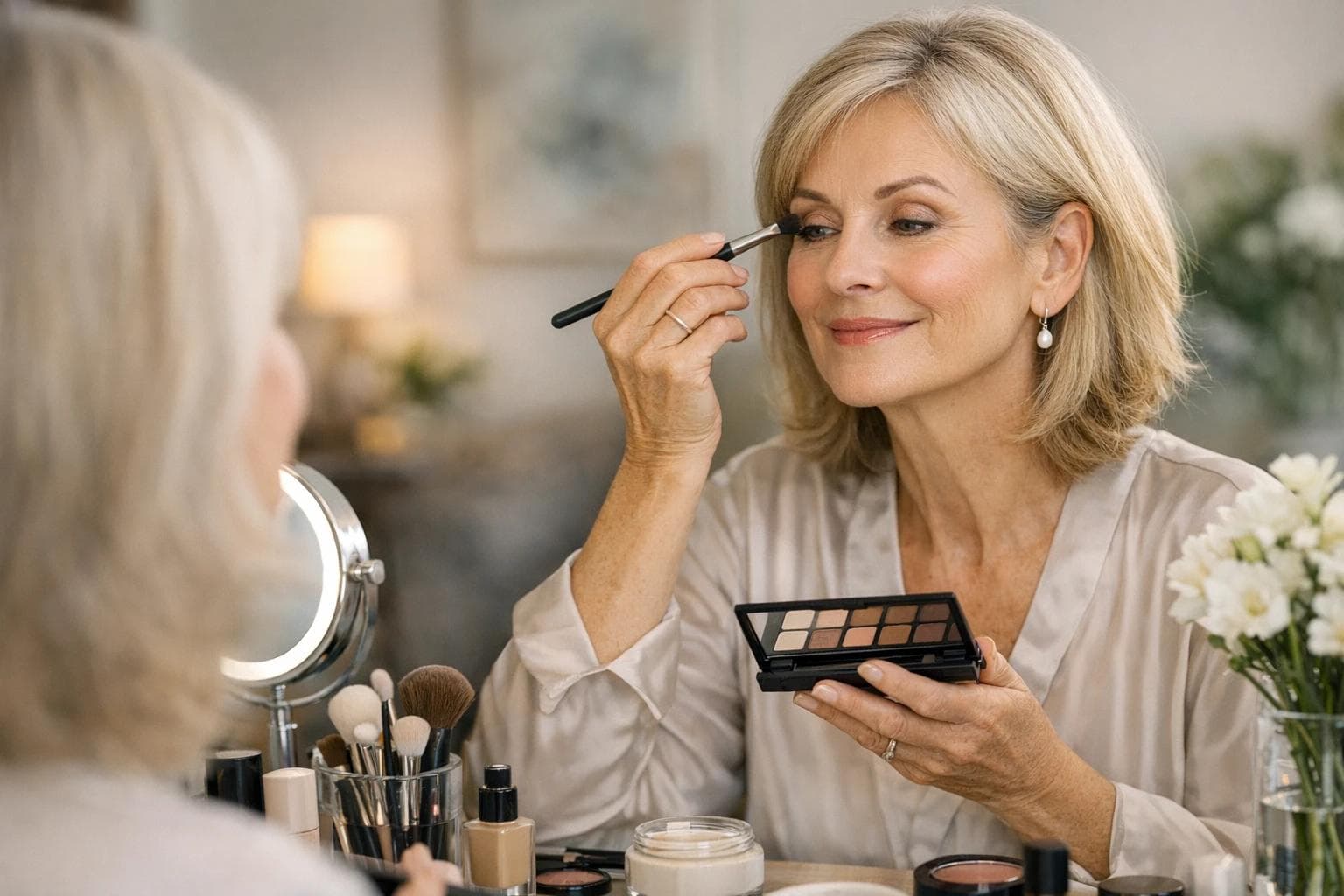
Makeup application for those over 50 requires a thoughtful approach that prioritizes enhancing natural features while respecting changes in skin texture and tone that come with age. Unlike trends that may favor heavy coverage or bold colors, effective tutorials for this demographic emphasize subtlety, hydration, and luminosity. Tutorials geared towards mature skin not only adapt to common concerns like dryness, fine lines, and uneven pigmentation but also encourage confidence through routines that are straightforward and flattering.
Prioritizing Hydration and Skin Prep
Before any makeup touches the skin, the preparatory steps are fundamental. For mature skin, hydration is particularly important since it helps makeup apply smoothly and prevents the accentuation of fine lines. Tutorials often recommend lightweight moisturizers or hydrating primers containing ingredients like hyaluronic acid or glycerin. Additionally, techniques such as gentle exfoliation and using SPF daily ensure a healthy base. These preparatory steps form the backbone of any tutorial, ensuring makeup lasts longer and looks fresher throughout the day.
Foundation and Concealer: Choosing and Applying Wisely
Makeup tutorials for those over 50 often highlight the importance of choosing foundation formulas that are lightweight, buildable, and hydrating. Avoiding cakey or matte formulas helps maintain a natural glow and prevents makeup from settling into wrinkles. Tinted moisturizers or BB creams are frequently recommended for a sheer yet even finish.
Concealers should be applied sparingly, ideally only where needed, such as under the eyes or to cover spots, using a light hand and blending well to avoid a mask-like effect. Applying with a damp sponge rather than brushes can offer a softer finish. Tutorials also stress the importance of color-correcting techniques, like using peach or apricot undertones to neutralize dark circles common in mature skin.
Enhancing Features with Soft Definition
When it comes to eyes and brows, tutorials designed for over 50 makeup users often focus on natural-looking definition rather than dramatic lines. Softly filled-in brows with a pencil or powder that matches hair color restore youthful shape without looking harsh.
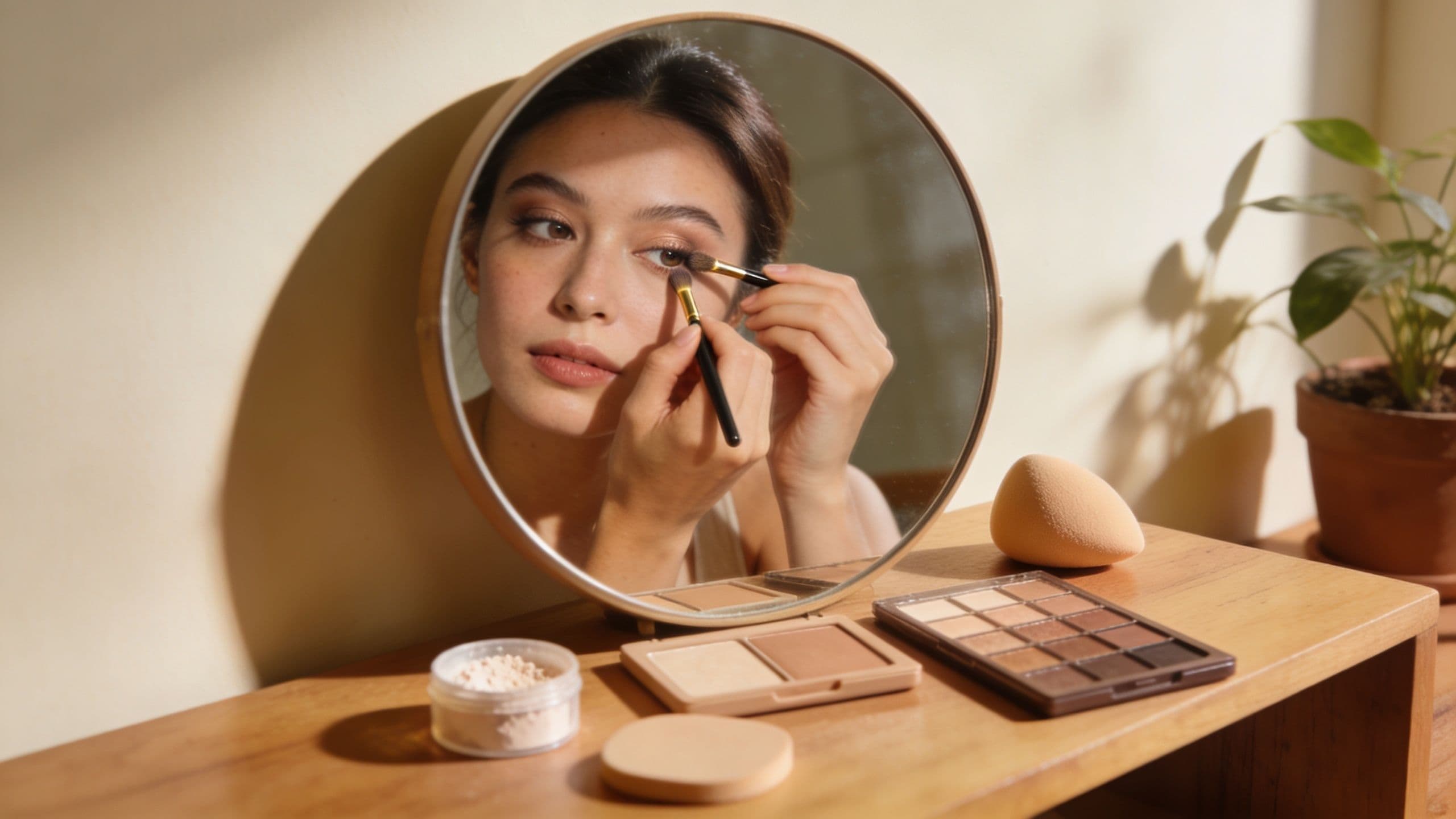
For eye makeup, neutral eyeshadows with slight shimmer can brighten eyes, while avoiding heavy eyeliners that may age the eyes or close them off. Tutorials frequently demonstrate blending techniques to create subtle depth along the lash line using brown or taupe shades instead of black. Curling lashes and applying a lengthening mascara can open the eyes while eschewing volumizing mascaras that risk clumping.
Embracing Color on Cheeks and Lips with Balance
Blush application shifts with age. Tutorials often suggest cream blushes for a dewy and natural flush, applied on the apples of the cheeks and blended upwards to recreate a lifted effect. Colors like soft pink, peach, or rose complement skin undertones without overwhelming.
Lip makeup favors hydrating formulas with some sheen, like tinted balms or satin-finish lipsticks, to avoid drawing attention to lip lines. Tutorials recommend lining lips sparingly to define shape gently rather than overlining. Soft reds, berry tones, and muted nudes tend to be flattering choices.
Navigating Common Challenges and Adjusting Techniques
Makeup tutorials for over 50 also address common pitfalls, such as overloading on powder, which can cause dryness and texture accentuation, or choosing overly bright or dark colors that may look harsh in natural light. They advocate for regular product reassessment as skin changes, emphasizing that adapting application techniques—for example, using fingers instead of brushes for certain products—can yield more seamless results.
Attention to lighting for makeup application is another key point in many tutorials, encouraging bright, natural light to ensure balanced and accurate application.
Tailored Tutorials and Resources
Leading beauty platforms and influencers specializing in mature beauty, such as Lisa Eldridge, Michelle Phan, or The Middle Page, provide insightful video tutorials and step-by-step guides tailored toward over 50 makeup users. These resources combine product recommendations with technique demonstrations, often focusing on enhancing natural beauty over adhering to fleeting trends.
Takeaway
Mastering makeup application after 50 is about embracing techniques and products that respect mature skin's unique needs. Tutorials emphasizing hydration, subtle enhancement, and soft definition can help create timeless, approachable looks that celebrate age with confidence. Incorporating these tailored tips into daily routines encourages effortless beauty that feels authentic and empowering at every stage.
Safety & Scope
This article is for general informational purposes and does not replace professional advice for complex repairs or installations.
Frequently Asked Questions
+What should readers understand first about makeup application tutorials for over 50?
It is important to recognize that mature skin has different needs, such as increased hydration and gentler application techniques, to create natural, flattering makeup looks that enhance rather than mask features.
+What are the most useful examples or use cases for makeup application tutorials for over 50?
Tutorials that focus on skincare preparation, lightweight foundation application, soft brow and eye definition, and balanced use of blush and lip color are most helpful in addressing common concerns like fine lines and uneven skin tone.
+What mistakes should I avoid with makeup application tutorials for over 50?
Avoid heavy, cakey foundations, excessive powder, harsh eyeliner, and overdrawn lips as these can emphasize texture and create an aged appearance rather than a fresh, natural look.