Decoding Skincare and Cosmetic Ingredients for Targeted Beauty Goals
Understanding which skincare and cosmetic ingredients align with your beauty goals can transform your routine. This guide breaks down key ingredients by common objectives like hydration, anti-aging, and acne control, helping you choose effective formulations with confidence.
Jordan specializes in turning complex beauty & self-care topics into clear, useful explainers for everyday readers.
Identifying Your Beauty Goal Shapes Ingredient Choices
Modern beauty routines thrive when tailored to individual skin goals. Whether aiming to boost hydration, combat signs of aging, control acne, or enhance radiance, understanding the role of active ingredients is essential. The right components in skincare and cosmetics do more than beautify—they support skin health, improve texture, and provide visible results over time.
Hydration and Barrier Support: Nourish and Protect
For those seeking to improve moisture and strengthen the skin’s protective barrier, ingredients with humectant and emollient properties prove invaluable.
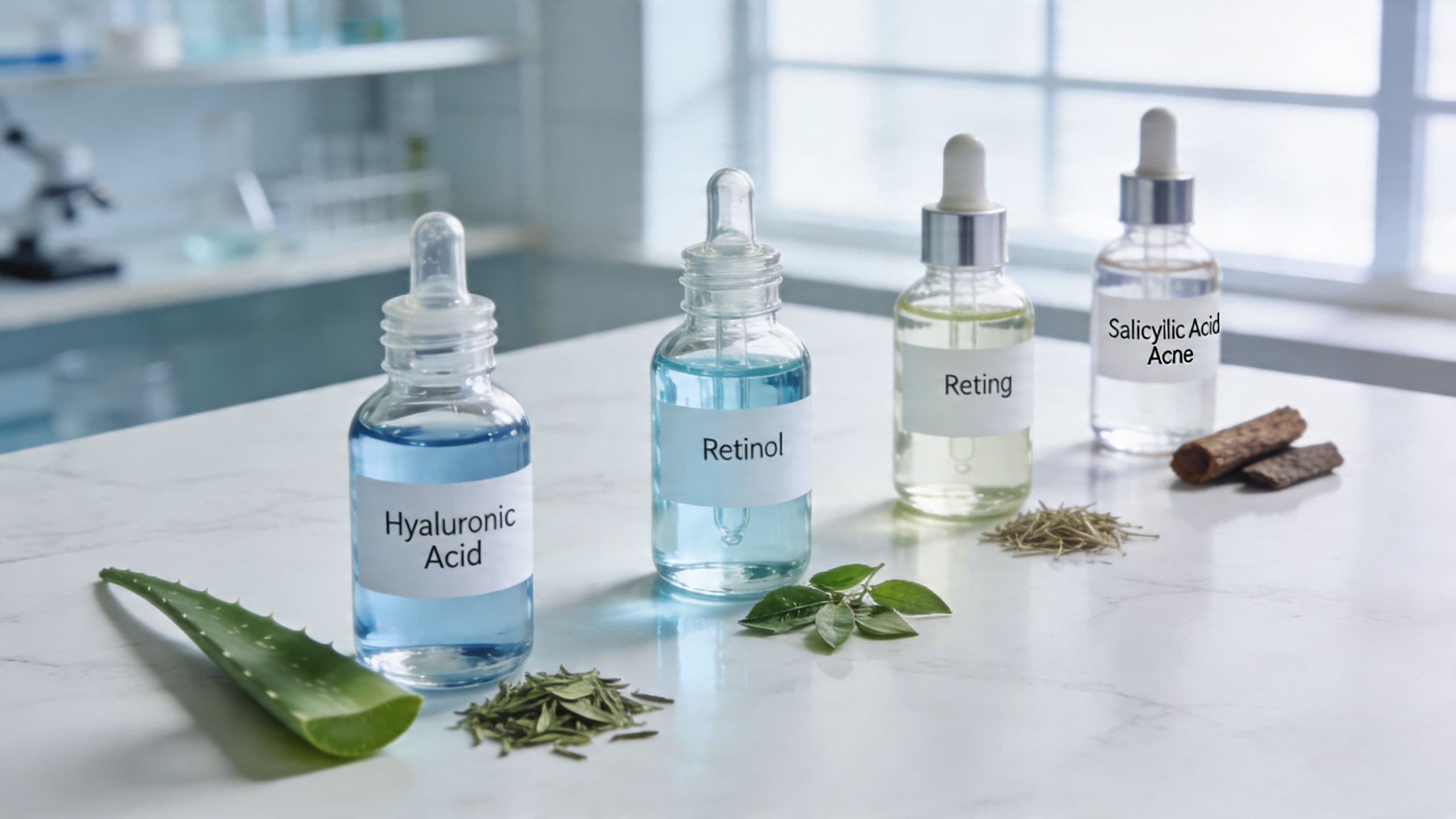
Hyaluronic Acid: A superstar humectant, it attracts and retains moisture, making it a top choice for hydrating serums and creams. It works well across skin types and can plump the complexion.
Glycerin: Widely used in moisturizers, glycerin also draws water to the skin’s surface, supporting suppleness.
Ceramides: These lipid molecules mimic the skin’s natural barrier components, crucial for protecting against environmental stressors and preventing moisture loss.
Squalane: A lightweight emollient providing hydration without feeling greasy; sought after in both skincare and makeup formulations for barrier support.
Targeting hydration not only enhances comfort but also primes skin to better absorb other actives.
Addressing Aging Concerns: Gentle and Effective Actives
Anti-aging routines often center on boosting collagen, smoothing fine lines, and evening tone.
Retinoids (Retinol and derivatives): Among the most studied and effective ingredients, they promote cell turnover and collagen production. However, skin sensitivity can be a drawback, so gradual introduction is key for beginners.
Vitamin C (L-Ascorbic Acid): Offers antioxidant protection against environmental damage while brightening dull complexions and supporting collagen synthesis.
Peptides: These amino acid chains signal the skin to produce structural proteins, contributing to firmness and resilience.
Niacinamide: Multifunctional and gentle, niacinamide reduces inflammation, regulates sebum, and can improve pigmentation and texture.
Choosing combinations that balance potency with skin tolerance helps maintain a consistent routine without irritation.
Battling Acne and Excess Oil Without Over-Drying
For anyone dealing with breakouts or oily skin, selecting non-comedogenic, soothing ingredients avoids aggravation while targeting concerns.
Salicylic Acid: A beta-hydroxy acid that penetrates pores to exfoliate inside and reduce blockages; excellent for oily and acne-prone skin.
Benzoyl Peroxide: Antimicrobial and effective at reducing acne-causing bacteria but can be drying; often paired with moisturizers.
Azelaic Acid: Balances antimicrobial benefits with anti-inflammatory properties, suitable for moderate acne and redness.
Zinc and Sulfur: Traditional ingredients that help reduce oiliness and soothe irritation.
Formulations designed for acne control frequently integrate calming agents to prevent over-stripping and support barrier restoration.
Glow and Even Complexion: Brightening and Texture Refinement
Enhancing radiance and clarity involves ingredients that exfoliate, brighten, and promote skin renewal.
Alpha Hydroxy Acids (AHAs): Such as glycolic acid and lactic acid, these acids gently exfoliate surface layers, revealing fresher skin.
Vitamin C and Niacinamide: Both contribute to reducing dullness and post-inflammatory hyperpigmentation.
Licorice Root Extract: A natural brightener that helps diminish dark spots without harsh effects.
Ferulic Acid and Antioxidants: They stabilize vitamin C and provide environmental protection enhancing overall glow.
In makeup, ingredients that reflect light, like mica or finely milled pearls, can complement skincare efforts for a luminous finish.
Practical Tips for Ingredient Integration
Start Simple: Introduce one new active ingredient at a time to observe how your skin responds.
Avoid Ingredient Overload: More isn’t always better—layering too many actives can cause irritation or diminish effectiveness.
Tailor to Season and Skin Changes: Skin needs evolve with weather and age; adapting ingredients accordingly can maintain balance.
Patch Test New Products: This precaution reduces the risk of unexpected reactions.
Read Labels Carefully: Characteristic terms like “non-comedogenic,” “fragrance-free,” or “dermatologist-tested” provide additional context but verify ingredient lists to match goals.
Conclusion: Aligning Ingredients With Your Unique Skin Goals
A thoughtful approach to skincare and cosmetics ingredients empowers you to build routines that serve your unique beauty objectives effectively and sustainably. While trends and ingredient innovations continue to evolve, grounding choices in your specific hydration, aging, acne, or radiance goals ensures your routine remains purposeful and enjoyable. Embrace learning about ingredient functions as an ongoing part of your self-care journey, making modern beauty accessible and rewarding every day.
Safety & Scope
This article is for general informational purposes and does not replace professional advice for complex repairs or installations.
Frequently Asked Questions
+What should readers understand first about ingredients in skincare and cosmetics for different goals?
The most important starting point is to clearly identify your primary skin or beauty goal—such as hydration, anti-aging, or acne control—because different ingredients serve very specific purposes. Understanding your goal helps you select ingredients that deliver targeted benefits rather than using products randomly.
+What are the most useful examples or use cases for ingredients in skincare and cosmetics for different goals?
For hydration, humectants like hyaluronic acid and emollients like ceramides are key; for anti-aging, retinoids and vitamin C are frequently recommended; for acne-prone skin, salicylic acid and benzoyl peroxide are common actives; and for brightening, alpha hydroxy acids and niacinamide are effective choices. These examples reflect how ingredient properties align with routine outcomes.
+What mistakes should I avoid with ingredients in skincare and cosmetics for different goals?
Avoid introducing multiple potent ingredients all at once, which can lead to irritation. Don’t assume more ingredients mean better results; overloading your skin can disrupt its barrier. Also, avoid neglecting patch tests when trying new actives and be cautious combining ingredients that may counteract or sensitize skin, such as retinoids with strong acids.