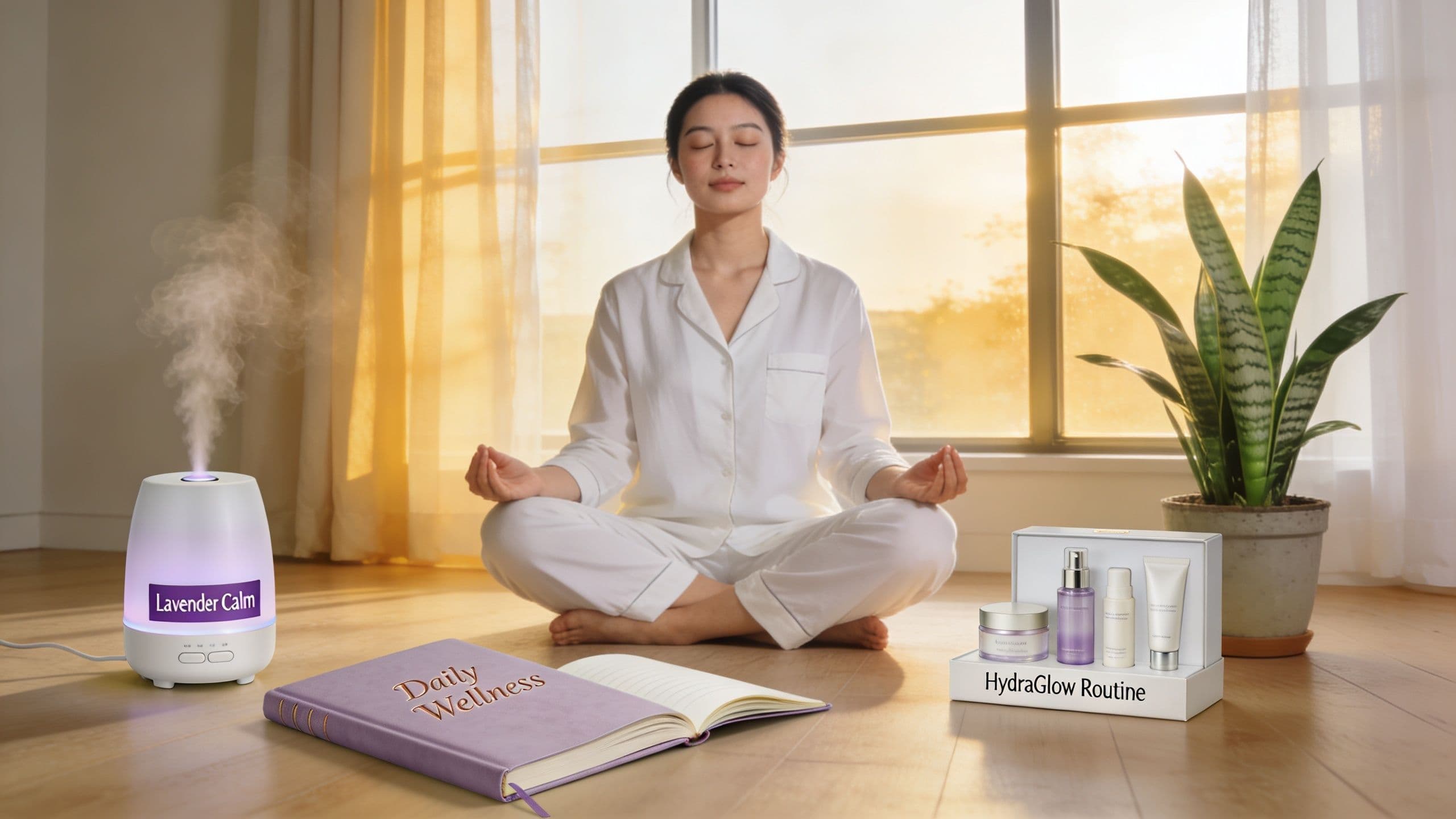
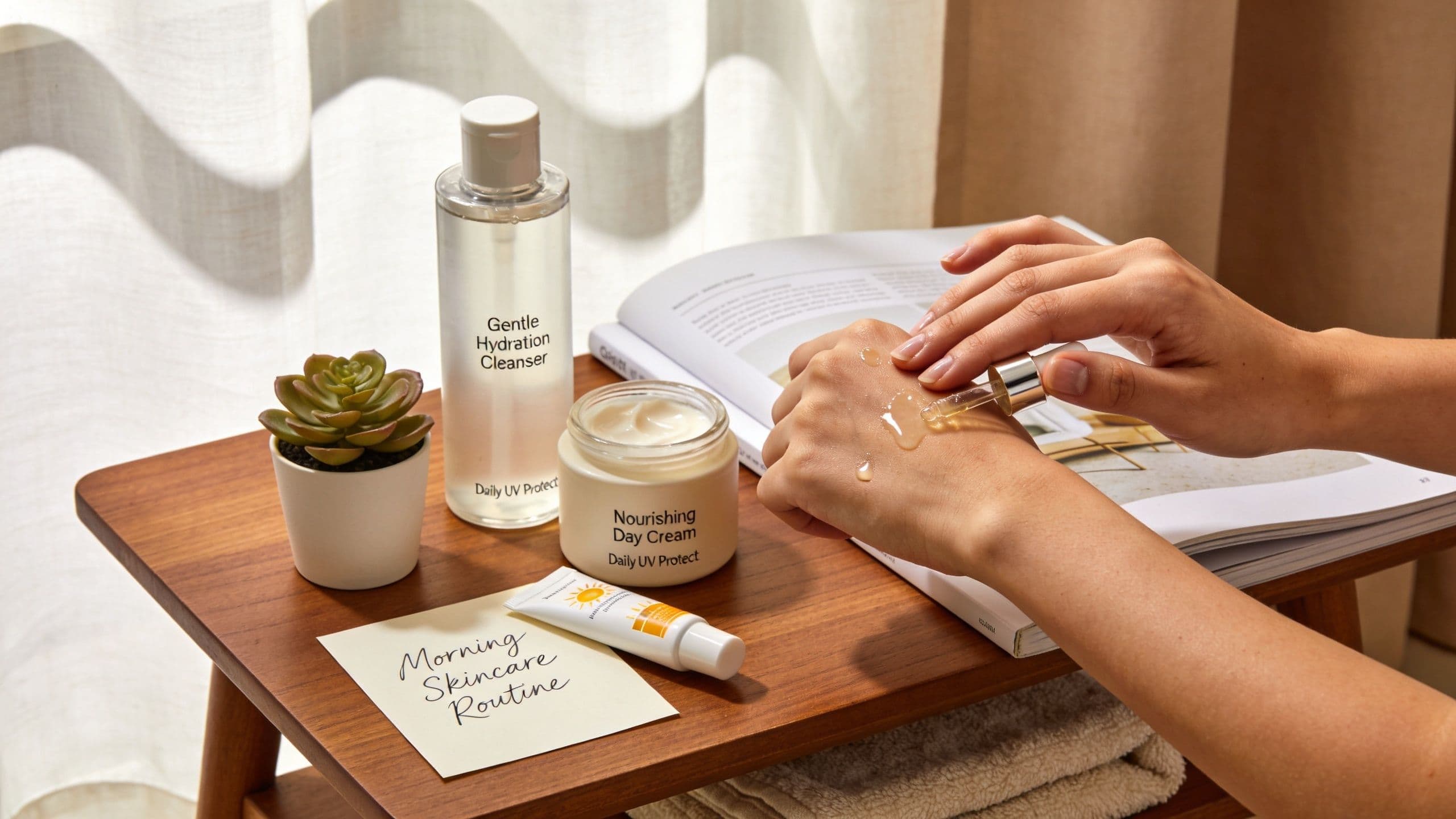
Navigating Common Challenges in Daily Beauty Habits and Rituals
Daily beauty habits can sometimes feel more complicated than they need to be. Understanding and overcoming common challenges in skincare and self-care routines helps simplify these rituals, making them more effective and sustainable.
Avery writes about trends, platforms, and strategic shifts in beauty & self-care, with attention to what matters in practice.

The Hidden Complexities Behind Daily Beauty Routines
Many people approach daily beauty rituals with good intentions but encounter hurdles that disrupt consistency and satisfaction. These challenges often stem from misconceptions about products, time constraints, or unrealistic expectations about results. Recognizing these obstacles is the first step towards a streamlined, effective routine that fits individual lifestyles.
1. Balancing Simplicity and Efficacy
One of the biggest challenges in daily beauty is finding the sweet spot between a routine that is too complicated or too minimal. Overloading on products with multiple active ingredients can cause irritation or conflicting effects, while using too few products might leave skin needs unmet.
For example, layering multiple exfoliants or acids can disrupt the skin’s barrier, leading to dryness or sensitivity. Conversely, skipping essential steps like moisturization or sunscreen can compromise skin health and appearance.
Tip: Prioritize a core routine: cleanse, moisturize, and protect with SPF, then slowly introduce targeted treatments according to skin response.
2. Time Management Versus Perceived Benefit
Modern lifestyles often demand multitasking, making it difficult to allocate sufficient time to beauty rituals. Some users may feel pressured to complete elaborate routines daily, leading to inconsistency.
A typical challenge is the morning rush conflicting with the desire to follow a comprehensive regimen. This conflict can cause skipping crucial steps or abandoning the routine altogether.
Tip: Design morning and evening routines based on time availability—quicker for mornings (e.g., cleanse, sunscreen, moisturizer) and more comprehensive in the evening when time allows (e.g., cleansing, treatment, hydration).
3. Product Selection Confusion
With an ever-expanding beauty market filled with countless options, choosing the right products can be overwhelming. Labels like "natural," "anti-aging," or "dermatologist-tested" may not always provide clear guidance.
This confusion often leads to trial-and-error cycles or reliance on trending items that may not suit one’s skin type or needs.
Tip: Focus on understanding your skin type and concerns honestly. Seek products formulated for those characteristics, and don't hesitate to adopt a minimalist product approach to avoid conflicts.
4. Inconsistency and Routine Fatigue
Even when initial enthusiasm is high, many abandon their beauty routines after a short period due to lack of immediate visible results or lifestyle changes.
Routine fatigue can arise when habits feel like chores rather than self-care moments. This fatigue affects motivation and consistency, hampering the ritual's long-term benefits.
Tip: View beauty rituals as moments for mindfulness and self-care rather than obligations. Adjust and simplify routines to keep them enjoyable and realistic.
5. Managing Expectations and Skin Responses
It is common to expect rapid transformations from new products or routines, which are often slow to produce visible change. Overuse or impatience can lead to irritations or setbacks.
For example, starting a retinol or acid product requires gradual introduction to avoid flaking or redness.
Tip: Set realistic goals and understand that cumulative benefits develop over weeks or months. Introduce new products one at a time with patch testing where possible.
Practical Examples: Overcoming Daily Beauty Hurdles
Morning Time Crunch: Use multi-purpose products like tinted moisturizers with SPF to reduce layering.
Sensitive Skin Dilemma: Patch-test new products for at least 48 hours and limit active ingredients initially.
Travel Disruption: Pack travel-sized versions of core essentials and stick to simplified rituals during trips.
Moving Forward: Emphasizing Adaptability and Mindfulness
Ultimately, overcoming common beauty habit challenges means accepting that routines evolve with changing needs, seasons, and life phases. Being adaptable and mindful ensures these rituals remain a source of pleasure and wellness.
Continual education about ingredients and staying attuned to one’s skin can empower better decisions, avoiding common pitfalls like overcomplication or unrealistic expectations.
Incorporating these insights transforms daily beauty efforts from a chore into a balanced, fulfilling ritual tailored to individual lifestyles and wellbeing.
Safety & Scope
This article is for general informational purposes and does not replace professional advice for complex repairs or installations.
Frequently Asked Questions
+What should readers understand first about common challenges with daily beauty habits and rituals?
Readers should first recognize that daily beauty routines often falter not because of lack of effort but due to factors like overcomplication, time constraints, and unrealistic expectations. Understanding that simplicity, consistency, and patience are key can help address many common challenges.
+What are the most useful examples or use cases for common challenges with daily beauty habits and rituals?
Typical scenarios include struggling to balance product overload versus minimal routines, managing time pressures that disrupt morning skincare, navigating confusing product choices, and maintaining motivation over time without visible fast results. Practical adjustments like simplifying steps and setting realistic goals can help overcome these.
+What mistakes should I avoid with common challenges with daily beauty habits and rituals?
Avoid overloading your routine with too many conflicting products, skipping sunscreen, expecting immediate results from new products, and treating beauty rituals as chores rather than self-care. Also, refrain from abrupt changes without monitoring skin reactions, and don’t neglect adjustments based on lifestyle or skin condition changes.