Navigating Common Challenges with Beauty & Self-Care Natural Supplements
Natural supplements have become a popular addition to modern beauty and self-care rituals. However, navigating their benefits and hurdles requires awareness of common challenges like ingredient transparency, consistency, and personal suitability.
Avery writes about trends, platforms, and strategic shifts in beauty & self-care, with attention to what matters in practice.
Understanding the Complexity Behind Natural Supplements for Beauty
In recent years, natural supplements have surged in popularity among beauty enthusiasts seeking holistic, everyday self-care solutions. These products often promise benefits such as improved skin radiance, hair strength, and overall cellular health. Yet, despite their appeal, they come with inherent challenges that can complicate their use and dilute their effectiveness.
One notable issue is the lack of standardization in natural ingredients. Unlike pharmaceuticals, natural beauty supplements do not always follow rigid regulatory guidelines for content and potency. This lack of regulation can lead to variations in active ingredient concentration from batch to batch or between brands, making it difficult for users to gauge what they are actually consuming.
Key Challenges in Ingredient Transparency and Quality
Consumers increasingly demand ingredient transparency, yet many natural supplements fall short in this area. Labels may list botanical names or exotic extracts without specifying extract ratios, cultivation methods, or source origins. For instance, supplements boasting collagen-boosting peptides or antioxidant-rich botanicals like ashwagandha or turmeric can vary widely in purity and bioavailability depending on manufacturing practices.
Additionally, some products contain fillers, additives, or preservatives that might not align with the clean, natural ethos users expect. This disconnect between marketing and reality can lead to confusion or skepticism among users.
Consistency and Timing: How They Impact Effectiveness
Achieving noticeable results from natural supplements is not instantaneous. Many beauty-boosting compounds require consistent intake over weeks or months to support skin or hair regeneration processes meaningfully. This long-term commitment can present a challenge, especially if users switch products frequently or stop taking them prematurely due to impatience or perceived lack of effect.
Moreover, supplement bioavailability — the degree and rate at which a substance is absorbed into the bloodstream — varies considerably among natural ingredients. Factors like concurrent food intake, formulation type (e.g., tablet vs. liquid), and individual digestion can influence how effectively nutrients are utilized.
Personal Suitability: Avoiding One-Size-Fits-All Assumptions
Natural supplements touted for beauty and self-care are not universally suitable for everyone. Individual body chemistry, skin type, underlying conditions, and lifestyle habits all affect how a supplement performs. For example, a supplement rich in vitamin C or biotin may enhance collagen production or hair strength for some, but may lead to breakouts or sensitivities for others.
Understanding one's own nutritional needs and skin responses is essential. Many beauty enthusiasts benefit from starting with smaller doses or rotating supplements to assess tolerance and results carefully.
Practical Tips to Navigate Natural Supplement Challenges
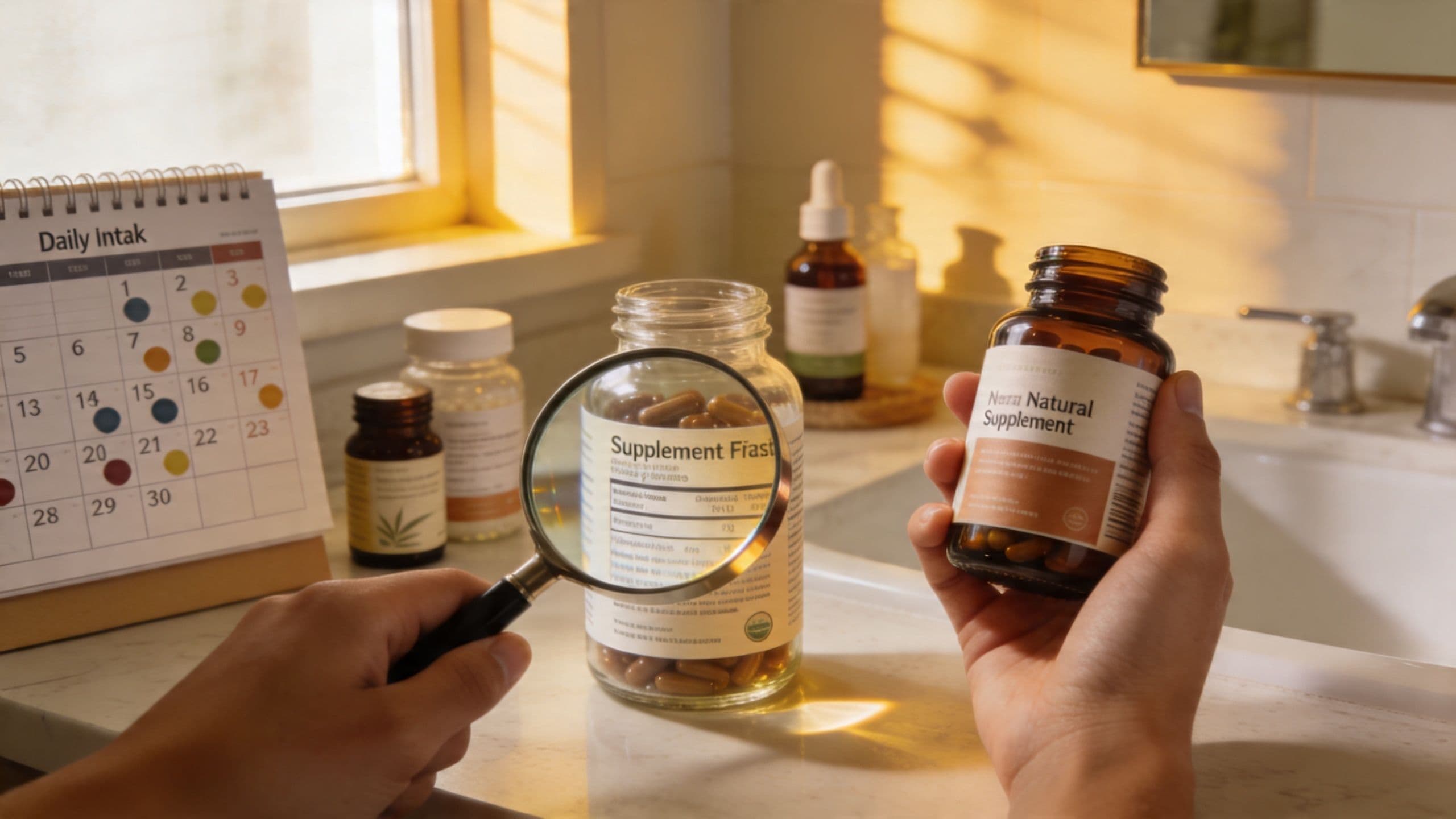
Research brands and ingredient sourcing: Opt for companies that provide detailed ingredient transparency, clinical trial data, or third-party testing results.
Commit to consistent use: Set realistic expectations about timelines, often 8 to 12 weeks, before evaluating efficacy.
Monitor personal reactions: Keep note of skin or hair changes, potential sensitivities, and overall wellness shifts to inform future choices.
Pair supplements with holistic routines: Supplements work best alongside well-rounded skincare, hydration, balanced nutrition, and stress management.
Looking Ahead: The Role of Innovation and Education
As consumer demand escalates, the beauty and self-care industry is witnessing innovations in natural supplement formulation, emphasizing bioavailable delivery systems and eco-conscious sourcing. Meanwhile, education initiatives are growing to empower users with clearer understanding of ingredient functions and realistic expectations.
Future progress will likely focus on bridging the gap between natural wellness trends and scientific rigor, enabling everyday users to integrate supplements more confidently in their beauty routines.
Harnessing natural supplements wisely involves navigating these challenges with informed choices and patience, ultimately supporting a balanced, modern approach to beauty and self-care.
Safety & Scope
This article is for general informational purposes and does not replace professional advice for complex repairs or installations.
Frequently Asked Questions
+What should readers understand first about common challenges with beauty & self-care natural supplements?
Readers should recognize that natural supplements vary widely in ingredient quality, potency, and regulation. Unlike conventional medications, there is less standardization in these products, so effectiveness can depend heavily on brand transparency, formulation, and consistent use over time.
+What are the most useful examples or use cases for common challenges with beauty & self-care natural supplements?
A common example is collagen supplements aiming to support skin elasticity. Variations in collagen type, source (marine vs. bovine), and absorption rates can affect outcomes. Another example is herbal adaptogens like ashwagandha, where purity and dosing inconsistencies can influence both wellness and beauty results.
+What mistakes should I avoid with common challenges with beauty & self-care natural supplements?
Avoid expecting immediate results or switching supplements too quickly without giving them time to work. Also, do not assume that all “natural” products are free from fillers or allergens; meticulous label reading and brand research are essential to avoid unintended sensitivities or ineffective products.