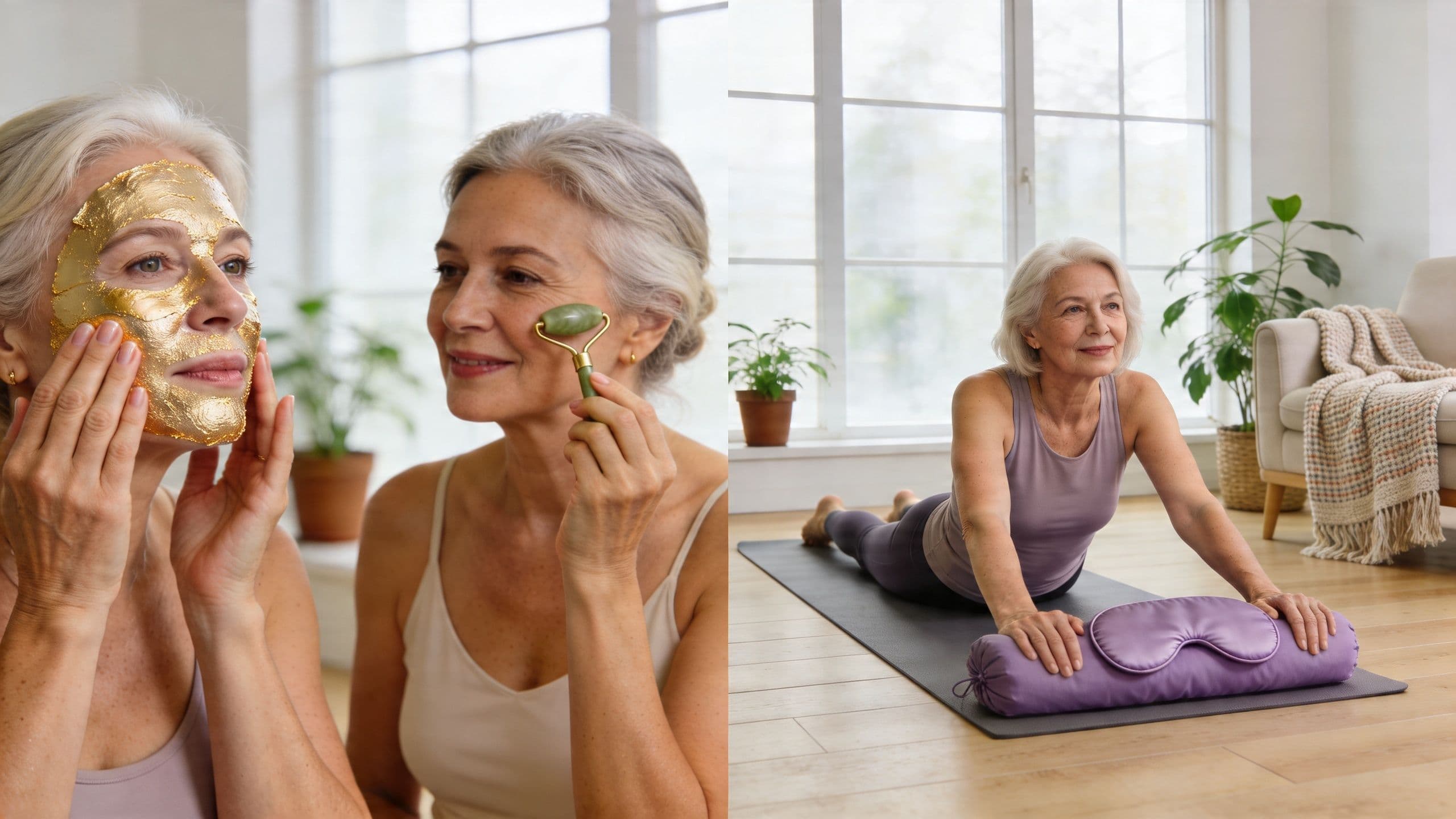
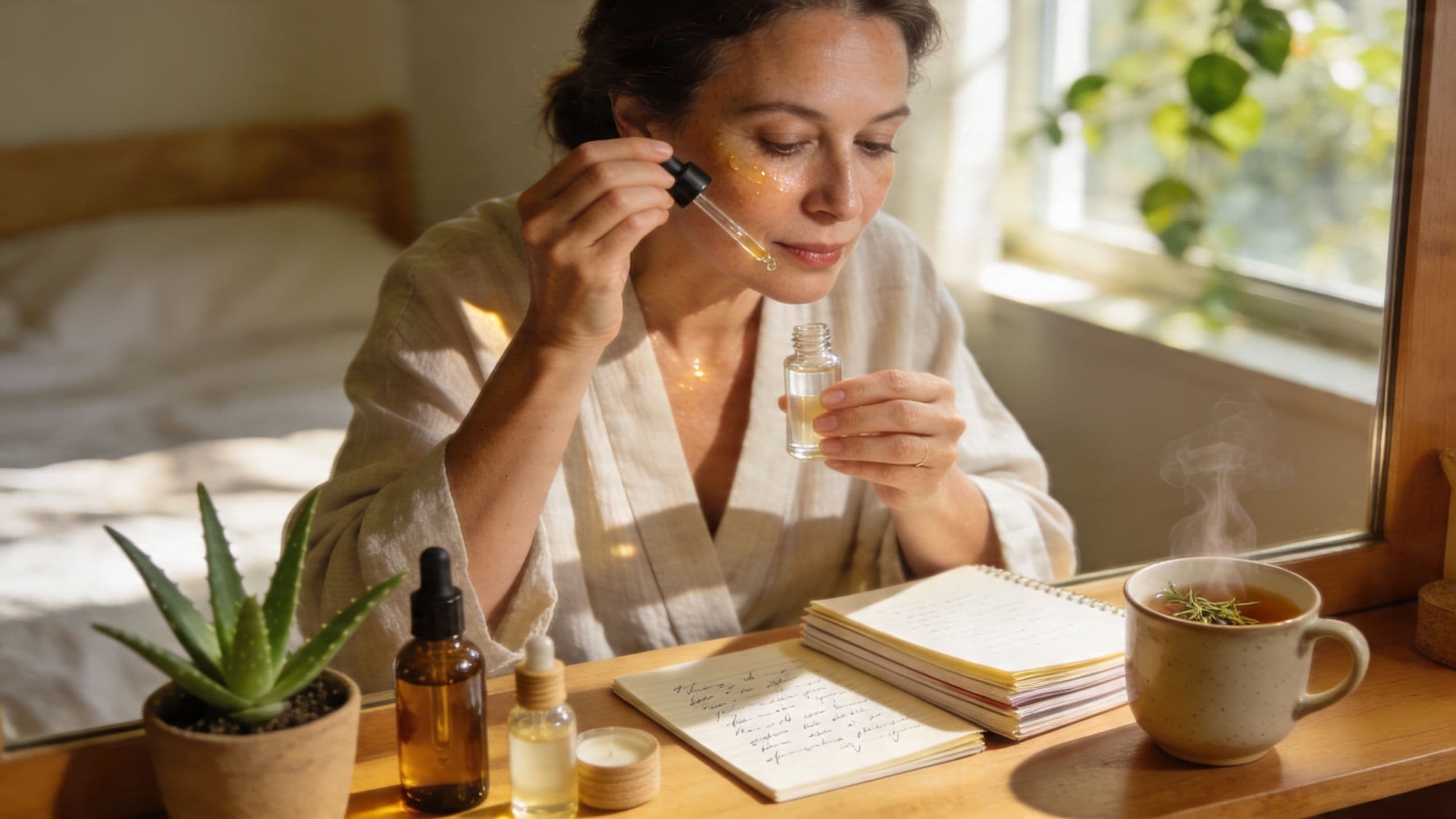
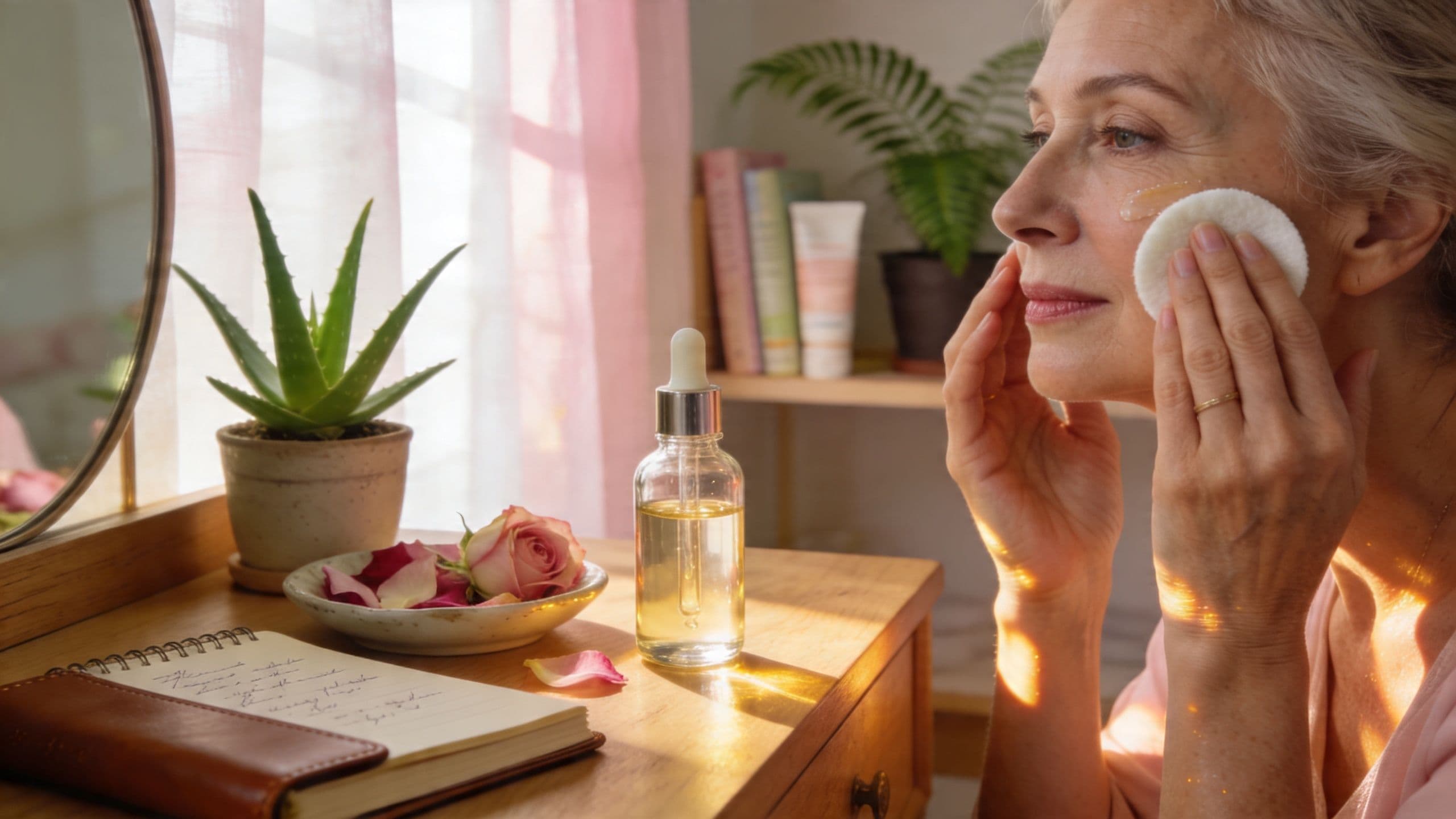
Navigating Common Challenges in Beauty and Self-Care for Healthy Aging
Aging brings distinct changes in skin and wellness that shape beauty and self-care routines. Recognizing and adapting to these challenges helps maintain confidence and vitality through the years.
Maya covers beauty & self-care with an emphasis on practical analysis, products, and real-world impact.
The Aging Skin Landscape: Understanding Shifts and Setting Expectations
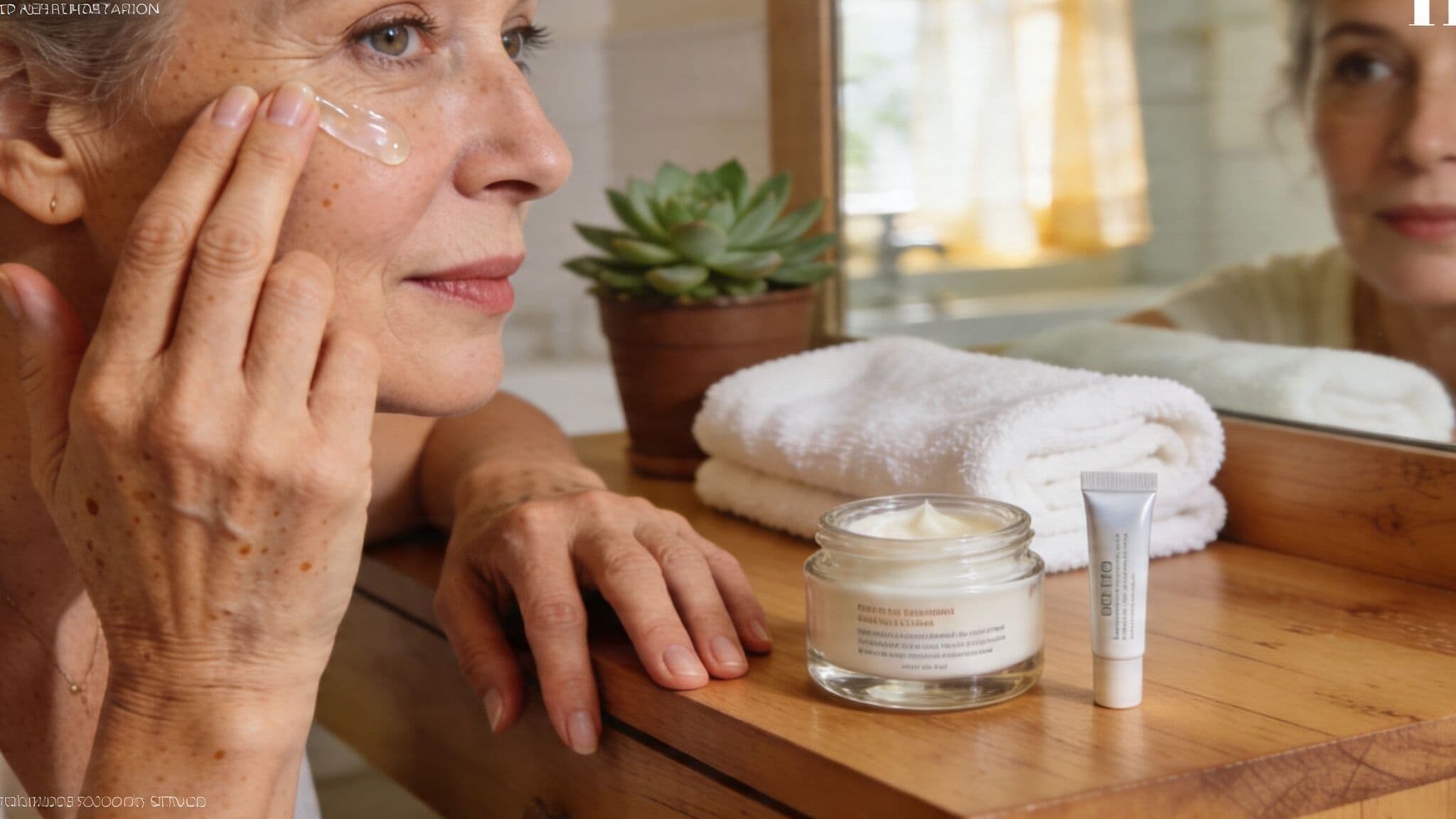
Aging naturally influences the skin’s texture, elasticity, and moisture levels. Common signs such as fine lines, dryness, uneven tone, and sensitivity often prompt individuals to reconsider their beauty and self-care practices. Recognizing these changes as normal allows for a more compassionate and intentional approach to skincare rather than unrealistic demands.
Collagen production slows down with age, which affects firmness and the formation of wrinkles. Additionally, natural oils in the skin decrease, leading to more frequent dryness. This evolution calls for adjustments in cleansing, hydration, and protection, without resorting to overly harsh products that can exacerbate these issues.
Practical Strategies to Address Hydration and Barrier Concerns
Dryness and a compromised skin barrier are among the most common beauty challenges associated with aging. A robust hydration routine is essential. Incorporating products with humectants like hyaluronic acid can help draw moisture into the skin. Equally, occlusives such as ceramides and squalane support the protective barrier, preventing moisture loss.
It is equally important to avoid excessive washing or using products with strong detergents, as these strip natural oils. Shifting to gentle cleansers with hydrating components preserves the skin’s microbiome and resilience. For individuals experiencing increased sensitivity, fragrance-free and minimal ingredient formulations reduce irritation risks.
Sun Protection: The Cornerstone of Long-Term Skin Health
No discussion on healthy aging in beauty routines is complete without emphasizing sun protection. Ultraviolet (UV) exposure remains the primary contributor to photoaging—manifested in deeper wrinkles, pigmentation irregularities, and loss of elasticity. Broad-spectrum sunscreens with at least SPF 30, applied daily, are a critical preventative measure.
Beyond sunscreen, integrating hat use, sunglasses, and seeking shade during peak sun hours enhances defenses. Consistency in these habits not only preserves skin appearance but also reduces cumulative damage over decades. Modern formulations often combine sun protection with antioxidants, supporting skin repair and decreasing oxidative stress.
Adjusting Beauty Routines to Match Changing Priorities and Sensitivities
As beauty and self-care priorities evolve, focusing on products and treatments that deliver nourishment, comfort, and gentle efficacy is key. Multi-use products that combine hydration, protection, and mild exfoliation reduce routine complexity and irritation risk.
Exfoliation practices may shift toward chemical exfoliants like AHAs at lower concentrations, supporting cell turnover without mechanical abrasion. Regular but moderate exfoliation can assist with dullness and texture without disturbing the skin’s natural barrier.
Moreover, adapting makeup selections—opting for hydrating foundations or tinted moisturizers—can provide a youthful, dewy finish while minimizing cakey or settling effects common on mature skin.
Lifestyle Factors: Supporting Healthy Aging From Within
Beauty and self-care for aging well extend beyond topical routines. Nutrition, hydration, sleep quality, and stress management play integral roles in skin health and general wellness. Antioxidant-rich diets with vitamins C and E, omega-3 fatty acids, and adequate water intake can enhance skin vitality.
Physical activity promotes circulation, oxygenating skin cells and encouraging natural glow. Meanwhile, mindful practices such as meditation and regulated sleep cycles help mitigate stress-related skin flare-ups and support overall balance.
Recognizing the interplay between lifestyle and external care empowers individuals to approach healthy aging with holistic confidence.
Takeaway: Embracing Aging With Intentional, Adaptive Self-Care
Common challenges with beauty and self-care during healthy aging center around hydration, protection, sensitivity, and adjusting routines to align with the skin’s evolving needs. By prioritizing gentle, effective skincare practices combined with a revamped lifestyle approach, individuals can support their skin's resilience and radiance.
Being patient with the natural aging process and focusing on wellness rather than perfection transforms self-care into an enriching ritual. This perspective encourages sustainable habits that honor the body's ongoing journey, ensuring beauty that reflects lifelong vitality.
Safety & Scope
This article is for general informational purposes and does not replace professional advice for complex repairs or installations.
Frequently Asked Questions
+What should readers understand first about common challenges with beauty & self-care Healthy Aging?
The first key understanding is that aging skin naturally changes in hydration, elasticity, and sensitivity. These changes require tailored self-care adjustments rather than trying to completely reverse aging signs. Embracing these shifts allows for more effective and kinder beauty routines.
+What are the most useful examples or use cases for common challenges with beauty & self-care Healthy Aging?
Examples include switching to gentler cleansers to avoid dryness, using moisturizers with hyaluronic acid for better hydration, prioritizing daily broad-spectrum sunscreen to prevent photoaging, and adjusting makeup choices to formulas that enhance mature skin’s natural glow without emphasizing texture.
+What mistakes should I avoid with common challenges with beauty & self-care Healthy Aging?
Avoid over-washing or using harsh skincare products that dry out and irritate aging skin. Don't neglect sun protection as UV exposure accelerates visible aging. Also, resist the temptation to use too many active or exfoliating products at once, which can damage the skin barrier and increase sensitivity.