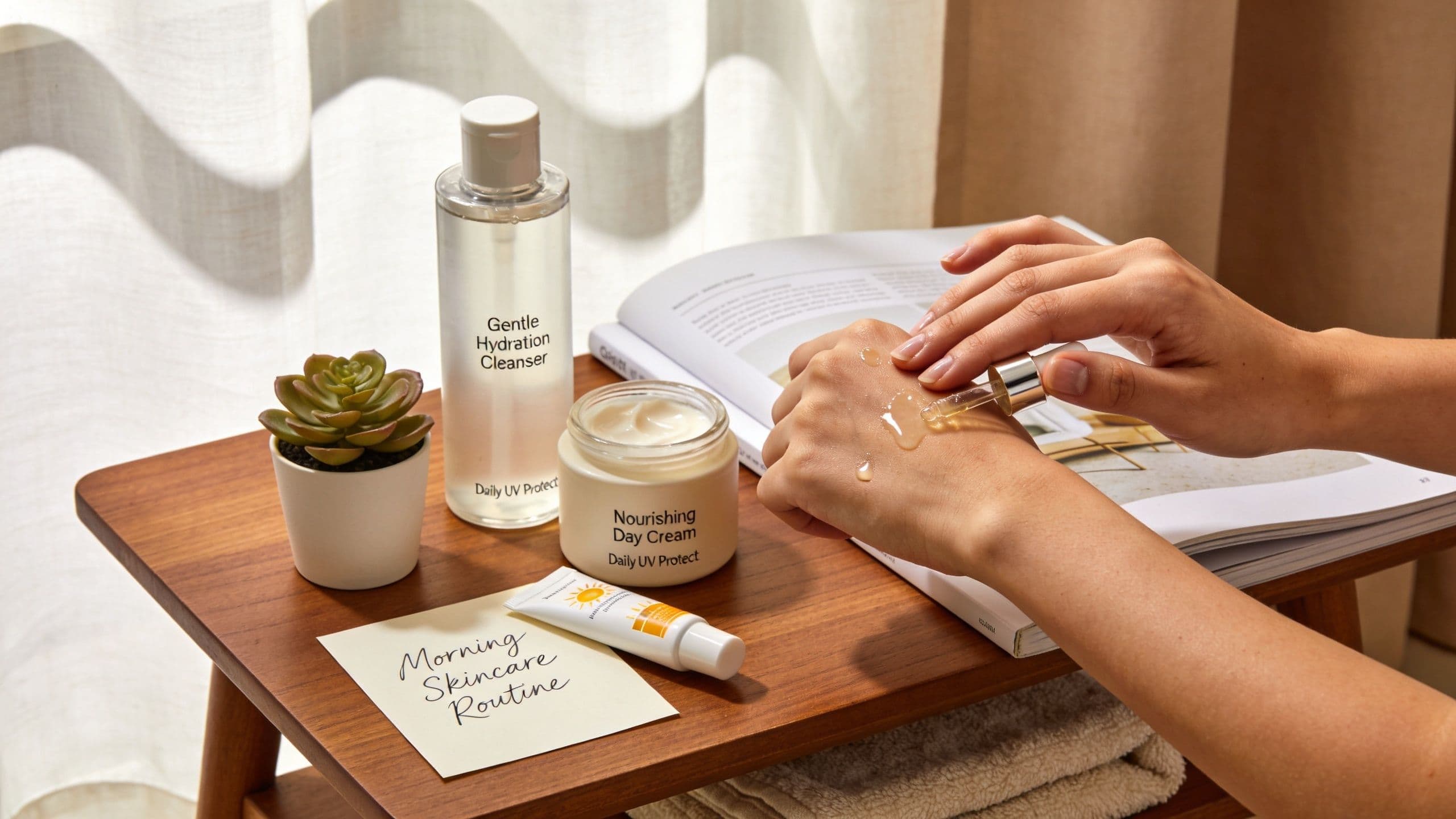
Navigating the Common Challenges of Anti-Aging Skincare and Habits
Anti-aging skincare and habits promise youthful skin but often present obstacles that undermine their effectiveness. Understanding and addressing these common challenges can help modern beauty enthusiasts create more effective, pragmatic routines.
Avery writes about trends, platforms, and strategic shifts in beauty & self-care, with attention to what matters in practice.
Understanding the Complexities Behind Anti-Aging Skincare
Anti-aging skincare is a booming segment within beauty and wellness, yet many users encounter unexpected hurdles that can inhibit visible results. These challenges range from product formulation and application frequency to lifestyle habits that sabotage skincare efforts. While anti-aging promises can feel overwhelming, breaking down common pitfalls enables users to craft routines that are sustainable and effective.
Challenge 1: Balancing Product Potency and Skin Sensitivity
Many anti-aging products highlight ingredients like retinoids, alpha hydroxy acids (AHAs), or vitamin C, celebrated for their revitalizing properties. However, these actives carry a risk of irritation, redness, or dryness if introduced too aggressively. This sensitivity can discourage consistent use, which ultimately diminishes the anti-aging benefits.
Example: Retinoids boost collagen but often cause flaking and redness during early use. Users who don’t phase them in gradually or fail to moisturize adequately may experience setbacks.
Strategy: Introduce active ingredients slowly—starting with once or twice weekly applications—and always pairing them with hydrating, barrier-repairing products. This pacing builds skin tolerance and supports long-term benefits.
Challenge 2: Overemphasis on Products Over Lifestyle Factors
While serums, creams, and exfoliants are foundational, the impact of habits like sun protection, sleep quality, hydration, and diet cannot be overstated. UV exposure remains one of the principal causes of premature skin aging, yet sunscreen is often neglected, especially if the anti-aging routine feels complex or time-consuming.
Tradeoff to consider: Investing time and resources in a complex skincare regimen without solid sun protection can limit visible results and reverse progress.
Approach: Make daily broad-spectrum SPF application a non-negotiable cornerstone. Complement this with simple lifestyle habits: drinking adequate water, adopting balanced nutrition rich in antioxidants, managing stress, and prioritizing restful sleep.
Challenge 3: Navigating Misinformation and Conflicting Advice
The abundance of beauty influencers, skincare brands, and partial scientific interpretations online can cause confusion. Claims about "miracle" ingredients or prohibitive rules may discourage users or prompt overuse of products.
Common pitfall: Layering numerous active ingredients without understanding potential interactions or doubling down on high concentrations thinking that more equals better.
Balanced perspective: Research-backed wellness emphasizes consistency, moderation, and individualized routines rather than quick fixes. Readers should be encouraged to introduce new products one at a time and monitor skin response.
Challenge 4: Habits That Undermine Skincare Efficacy
Certain everyday behaviors quietly sabotage anti-aging efforts by interfering with skin regeneration and barrier function.
Inconsistent routine adherence: Skipping nighttime cleansing or leaving active treatments out sporadically leads to erratic results.
Excessive exfoliation: Over-exfoliating strips protective oils, causing increased sensitivity and damage.
Poor environmental protection: Cigarette smoke, pollution, and harsh climates accelerate visible aging if not addressed through supportive skincare or habits.
Practical tips: Simplify your routine so it’s manageable. Use gentle exfoliants no more than 2-3 times a week. Consider antioxidants in skincare or supplements that help combat environmental stressors.
Charting a Sustainable Anti-Aging Path
Ultimately, the challenges with anti-aging skincare and habits reveal the importance of an informed, balanced, and patient approach. Rather than chasing immediate transformations, success comes from understanding ingredient function, respecting skin tolerance, and integrating supportive lifestyle choices.
For beauty enthusiasts advancing into modern self-care, the best routines focus on long-term skin resilience over hype-driven quick wins. The next step is crafting routines that respect individual skin nuances and embrace consistency, with an eye toward holistic wellness instead of isolated product fixes.
By demystifying common challenges, readers can navigate anti-aging thoughtfully and effectively, avoiding common mistakes while fostering habits that truly support radiant, healthy skin.
Safety & Scope
This article is for general informational purposes and does not replace professional advice for complex repairs or installations.
Frequently Asked Questions
+What should readers understand first about common challenges with anti-aging skincare and habits?
They should recognize that anti-aging involves a combination of consistent product use, lifestyle habits, and realistic expectations. Skin sensitivity to active ingredients, the crucial role of sun protection, and the impact of habits like sleep and hydration are central considerations.
+What are the most useful examples or use cases for common challenges with anti-aging skincare and habits?
A typical example is introducing retinoids too quickly, leading to irritation and discontinuation. Another is neglecting daily SPF despite using potent actives, which undermines progress. Over-exfoliation and inconsistent routines also commonly impede results.
+What mistakes should I avoid with common challenges with anti-aging skincare and habits?
Avoid overloading your skin with multiple strong actives simultaneously, skipping sun protection, ignoring lifestyle factors like sleep and hydration, and inconsistency in product application. Also, steer clear of excessive exfoliation and believing in quick fixes.